Stop Chasing Leads Manually: The New Standard for Intelligent Follow-Up Workflows
We have all been there. A hot lead hits your inbox, you scribble a reminder on a sticky note, and life happens. Three days later, you remember to reply, but the prospect has already hired someone else. It hurts, but it is entirely preventable. Relying on sheer memory or scattered post-it notes to run a modern business simply does not work anymore. To maintain steady growth, modern teams are moving towards automated follow-up software for smarter CRM automation that bridges the gap between customer relationship tracking and automated marketing outreach without forcing you to babysit every single interaction.
Most platforms claim to fix this, yet they leave you managing disconnected point tools that never talk to each other. When your outreach sits in one silo and your search visibility sits in another, your team spends half their day copying data instead of closing deals. By taking a closer look at how modern automated follow-up software connects routine CRM updates directly to live search data and governed multi-channel execution, you can finally build a pipeline that responds instantly, preserves your brand voice, and actually turns prospects into paying clients.
The Blind Spots of Traditional CRM Automation
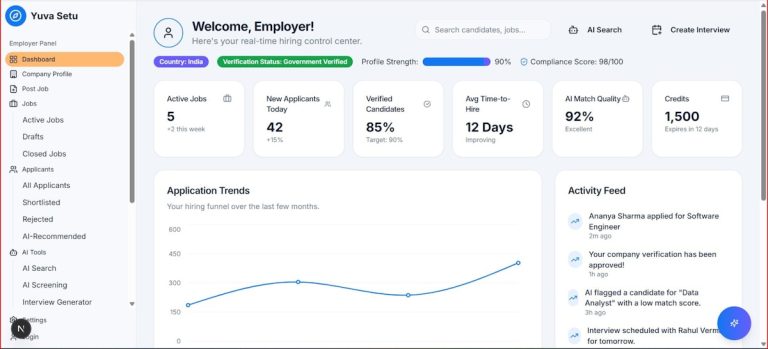
Traditional CRM platforms have introduced workflow builders to help teams manage their daily admin. Tools like Tribe CRM, for instance, let users build custom triggers, route incoming deals, and send standard email notifications using plain-language prompts. That is genuinely helpful for internal sales management, and it removes the headache of waiting on IT just to create a basic routing rule. If a deal crosses a specific value or a support ticket goes unanswered, the platform pings the right team member or sends a templated acknowledgement.
However, traditional CRM workflows hit a hard ceiling because they live inside a closed box.
Think about how standard automated follow-up software operates in most offices:
* A form gets submitted on your site.
* The contact details dump into your CRM database.
* A generic auto-responder fires three minutes later.
* A sales rep gets assigned a task to write a personalised note.
What happens next? The sales rep gets busy. The lead goes cold. More importantly, the CRM has zero idea where that lead came from in the search landscape, what specific local intent triggered their visit, or whether your brand is even ranking for the problem they need solved today. Standard tools manage the database, but they do nothing to fuel the top of the funnel or coordinate multi-channel brand presence. You are left running a pipeline that reacts to inbound contacts while doing zero work to proactively drive consistent organic reach. If you want to understand how broader channel coordination works, you can read our guide on how to manage multi-channel with aiCMO to see the bigger picture.
Why Isolated Triggers Fall Flat Without Search Visibility
A brilliant follow-up sent to three people a month will not scale your company. You need steady, qualified pipeline volume to make automation worthwhile. When point solutions handle only one piece of the puzzle, such as email replies or basic pipeline stages, you end up paying for five different subscriptions: one for email sequences, one for SEO tracking, one for local search, and another for social management.
This fragmented setup creates major friction:
- Disconnected Context: Your outreach copy does not reflect current search trends or the specific queries bringing buyers to your website.
- Escalating Costs: Retaining multiple single-purpose tools alongside external agencies drains budgets, especially for growing SMEs and startups.
- Operational Overhead: Instead of focusing on overarching strategy, your marketing team spends hours debugging integrations and zap triggers between disconnected dashboards.
When you automate your SEO with AI alongside your customer workflows, the entire dynamic shifts. Your outreach messaging aligns naturally with the organic topics your prospects care about right now, ensuring that every touchpoint feels relevant rather than robotic.
Merging CRM Precision With Full-Stack Marketing Automation
This is where AI CMO changes the game. Rather than treating customer follow-ups as an isolated database task, AI CMO provides a unified marketing operating system. It bridges the divide between customer touchpoints and 24/7 visibility optimisation.
Instead of toggling between a standalone CRM, an analytics platform, and an external agency, you get an integrated ecosystem that handles operational intricacies for you. Routine touchpoints fire on time, but they are continuously informed by deep organic search data, regional relevance, and brand-governed content rules.
To see how real-world businesses replace clunky setups with unified workflows, take a look at the IMAINTAIN.UK case study for practical proof of these systems in action.
Because the system tracks real-time performance around the clock, your touchpoints never operate in a vacuum. You can master GEO targeting with AI so that leads arriving from specific territories automatically trigger localised messaging that addresses regional concerns directly.
Governing Multi-Channel Execution with Human-in-the-Loop Control
The biggest fear most founders and marketing directors have about automation is simple: what if the system goes rogue and sends nonsense to an important client?
It is a valid concern. Black-box generators that publish unverified updates or spray unvetted emails can ruin brand trust in seconds. AI CMO avoids this pitfall entirely by implementing strict human-in-the-loop governance.
Through clear approval gates, permission checks, signed confirmations, and complete action logs, you remain in full control of your brand voice. The system prepares the research, identifies the pipeline gaps, drafts the outreach or content update, and presents it for explicit sign-off. You get the speed of an autonomous engine combined with the oversight of a seasoned executive.
Halfway through your pipeline audit, you will likely realise that manual data entry is eating 40% of your productive working hours. By adopting AI CMO: unified AI marketing automation for digital growth, your team stops managing tedious admin and starts focusing on high-level commercial growth.
How to Set Up an Intelligent Follow-Up Workflow: A Step-by-Step Breakdown
Building a system that never drops a lead does not require weeks of custom coding. Here is how modern teams structure an intelligent follow-up engine from scratch.
Step 1: Capture and Enrich the Inbound Lead
When a visitor fills out an inquiry form or downloads a resource, the workflow initiates instantly. Instead of simply recording a name and an email address, the system checks recent search interactions, notes the user’s geographic region, and tags their primary problem area.
Step 2: Instant Contextual Engagement
A generic “Thanks, we will be in touch” email kills momentum. Instead, the system dispatches an initial response tailored to the exact topic that brought them in. If they arrived via a specific regional search, the copy reflects local service timelines and relevant case examples.
Step 3: Trigger Multi-Channel Touchpoints
Follow-up is not restricted to a single inbox. If the prospect does not engage with the initial email within 48 hours, the platform adjusts. It schedules a gentle follow-up reminder, queues a touchpoint on professional networks, and suggests relevant educational content to keep your brand top-of-mind. You can review our detailed walkthrough on how to onboard & manage your brand with aiCMO to see how quick this setup actually is.
Step 4: 24/7 Organic Visibility Reinforcement
While individual prospects move through your funnel, the underlying engine does not rest. It continues updating site content, running technical SEO diagnostics, and monitoring local search parameters to ensure that fresh leads keep entering the top of your funnel day after day. You can boost local search rankings seamlessly while your primary automated follow-up software closes existing inquiries behind the scenes.
| Capability | Standard CRM Automation | AI CMO Full-Stack System |
|---|---|---|
| Trigger-based emails | Yes (basic templates) | Yes (context-aware and dynamic) |
| Lead routing | Yes (manual rules) | Yes (automated by region and intent) |
| Search optimisation | No (requires third-party tool) | Continuous 24/7 SEO & GEO tracking |
| Multi-channel integration | Limited to email/internal tasks | Web, search, and social visibility |
| Governance & logs | Basic edit history | Cryptographic sign-offs & action logs |
Moving Beyond Fragmented Point Tools
If you look across your current software stack, how many dashboards do you open every Monday morning? You probably check one platform for keyword positions, another for form submissions, a third for email sequencing, and a spreadsheet to track whether anyone actually followed up.
It is exhausting, and it introduces countless points of failure. When an API breaks or a team member forgets to export a CSV, prospects fall through the cracks.
Eliminating costly agencies and fragmented tools gives you both peace of mind and significant cost savings. Rather than trying to patch together five different SaaS subscriptions, having a single operating system ensures that your visibility efforts, customer capture, and follow-up sequences work in perfect harmony. You can boost your search rankings now, capture the incoming interest immediately, and keep your communication crisp and timely without burning out your staff.
The Future of Customer Touchpoints: Transparent, Governed, Autonomous
Automated follow-up software is no longer just about sending a scheduled email on day three. It is about understanding the entire buyer journey: from the split second they search for an answer on Google to the moment they sign a contract and recommend you to their peers.
When you strip away the administrative clutter, marketing becomes straightforward again. You focus on building great products, refining your core strategy, and having genuine conversations with qualified prospects who already know who you are and what you do. The heavy lifting of monitoring search performance, updating local listings, enriching contact details, and firing off prompt, professional replies happens quietly in the background.
Stop letting valuable opportunities slip away because your internal team was stretched thin or your tools refused to communicate. Upgrade your workflow, protect your team’s time, and experience what happens when intelligent CRM triggers meet continuous search marketing. Explore how easy it is to scale your business by partnering with AI CMO for hands-on marketing automation and flawless CRM execution today.