The Truth About Legacy Dashboards and Modern Search
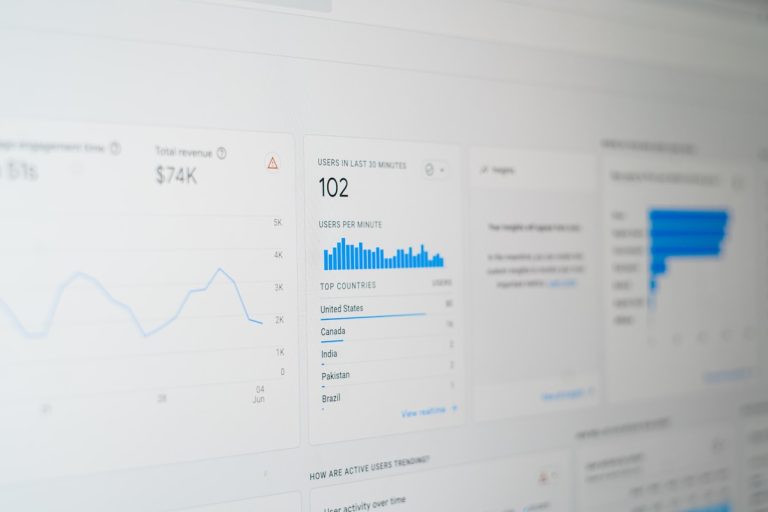
Staring at backward-looking graphs inside legacy search tools has become an expensive habit. Traditional platforms like Semrush charge steep monthly fees, often locking useful insights behind tiers like Guru or higher, just so you can check what rankings dropped twelve months ago. But looking in the rear-view mirror does not steer the car. If you spend hours sifting through old SERP movements, manually exporting spreadsheets, and trying to guess why impressions slipped, you are operating on borrowed time. Modern search demands forward-looking agility, which is why adopting dedicated SEO automation software is no longer optional for growing brands.
The fundamental flaw of manual historical analysis is the delay between spotting a pattern and actually doing something about it. By the time a marketing team notices a dip, pulls position tracking changes, drafts a brief, and updates a post, weeks have evaporated. You need continuous, closed-loop systems that monitor shifts in real time and automatically prepare content solutions. That is precisely why modern teams turn to unified AI marketing automation for digital growth instead of sinking hundreds of pounds each month into passive data tables that require endless human effort to extract value.
Why Legacy Historical Data Keeps You Trapped in the Past
Let us be completely fair to platforms like Semrush: their archive of historical metrics is impressive. Being able to look back to 2012 to diagnose algorithmic penalties, trace seasonal search spikes, or see what an aggressive competitor pruned from their directory in 2021 can be genuinely informative. If you run a forensic enterprise audit, that context matters.
Yet, for most small and medium enterprises, startups, and agile marketing squads, this retrospective view creates an operational bottleneck. You end up paying for a massive digital museum.
Here is what that manual workflow usually looks like:
* You notice a traffic drop in Google Search Console.
* You log into your legacy suite, navigate to Organic Research, toggle custom date pickers, and isolate lost rankings.
* You check SERP changes to see if Google injected AI Overviews or extra paid ads above your snippet.
* You run competitor gap analyses to figure out who leapfrogged your position.
* You open a Google Doc to manually plan content refreshes, outline new subheadings, and assign tasks to a freelance writer.
This process is slow, tedious, and fragmented. It treats data collection as the end goal rather than the prelude to execution. Modern search moves at lightning speed, especially as search engines mix traditional ranking signals with generative summaries and local discovery models. Sitting on old data without instant, automated remediation leaves your organic pipeline vulnerable. To avoid these lags, savvy marketers choose to automate your SEO with AI and bypass repetitive data mining entirely.
The Shift to Autonomous SEO Automation Software
The biggest hurdle in digital marketing today is the gap between strategy and execution. Point solutions dump raw statistics on your screen, leaving you to connect the dots. In contrast, full-stack SEO automation software connects search intelligence directly to content workflows and technical updates.
Instead of paying high retainers to conventional agencies or juggling half a dozen single-purpose SaaS subscriptions, modern businesses require an integrated operating system. You can see how this works in practice by reviewing our imaintain.uk case study, where continuous optimisation replaced manual guesswork.
When an automated platform handles keyword dynamics, the operational loop changes fundamentally:
| Legacy Workflow (e.g., Semrush Guru) | Automated AI CMO Workflow |
|---|---|
| Check historical tables manually once a month | 24/7 continuous monitoring of keyword performance |
| Export CSVs to find declining pages | Instant detection of decay with auto-generated briefs |
| Pay heavy premiums to view multi-year archives | Predictive keyword tracking tied directly to content creation |
| Draft and update pages manually across external apps | Governed updates created and staged with user approval |
| Siloed focus strictly on traditional Google SERPs | Unified optimisation across SEO, local GEO, and AI search engines |
Traditional platforms tell you what happened. A unified marketing platform identifies what is happening right now and immediately stages the necessary changes to protect your rankings.
Bringing Multi-Channel and GEO Visibility into Focus
Search is no longer confined to blue links on a desktop screen. Today, user intent fragments across local map packs, specialised AI search aggregators, and social channels. If your organic strategy relies solely on desktop keyword trackers, you miss a massive portion of the market.
Local businesses and multi-location firms must master geographic relevance alongside standard keyword rankings. You can learn the core principles in our guide on how to onboard & manage your brand with aiCMO to ensure regional intent matches your content output. If your audience searches locally, relying on static global metrics will not cut it. Instead, you need systems that help you master GEO targeting with AI across all relevant territories.
When search systems evaluate trust, they check topical authority across multiple touchpoints. If your brand publishes targeted technical guides, updates regional landing pages, and maintains active discussions on professional networks, search algorithms take note. Tracking your brand footprint across conversational engines is equally vital; you can explore this dynamic further with our AI visibility tracker to see how modern answer engines view your domain.
Rather than running one tool for rank tracking, another for content editing, and a third for local map visibility, consolidating into an automated platform slashes operational friction. You stop wasting valuable time manually cross-referencing metrics between isolated software tabs.
Human-in-the-Loop: Real Execution Without Black-Box Chaos
A common fear among marketers considering SEO automation software is the loss of editorial control. Nobody wants an uncontrolled script blindly pushing generic, hallucinated text to their live WordPress site. That approach destroys domain authority and damages brand integrity.
The answer is not avoiding automation, but using governed, human-in-the-loop workflows.
A modern AI marketing operating system provides transparent actions. When search shifts occur, the system analyses the intent shift, reviews top-ranking competitors, and prepares the draft or metadata revision. Nothing goes live without signed confirmation and explicit user permission. You maintain total strategic authority, while the heavy lifting of trend research, outlining, and drafting runs on complete autopilot.
This balance between operational speed and editorial control is essential. Marketers can step out of the spreadsheet trenches and focus entirely on high-level positioning, commercial messaging, and business development.
To see how straightforward this transition can be, meet Maggie and start your free trial to preview automated workflows configured specifically for your business model.
Practical Steps to Transition from Static Reports to Automated Action
If you are currently bogged down by complex dashboards and expensive legacy plans, transition to an automated workflow systematically.
1. Audit Your True Software Costs
Calculate what you actually spend on rank trackers, historical data add-ons, content optimization plug-ins, and agency retainers. Compare that figure against the tangible organic revenue those tools generate. If you find yourself paying hundreds of pounds just to look at historical charts without executing weekly updates, your stack is inefficient.
2. Connect Your Site to Continuous Intelligence
Stop treating search optimisation as a quarterly sprint. Connect your domain to automated monitoring that evaluates position changes daily. Instead of pulling retrospective reports, set your system to alert you the moment a page begins losing traction for primary search terms.
3. Automate the Remediation Pipeline
When a piece of content drops in rankings, the required fixes are usually straightforward:
* Add missing subtopics that searchers expect.
* Update obsolete statistics and broken outbound references.
* Clarify answers to capture rich snippets.
* Strengthen internal links from newer, relevant articles.
An autonomous system drafts these updates automatically. When you boost your search rankings now using structured automation, you eliminate the delays that typically turn a temporary dip into a permanent decline.
4. Expand Beyond Traditional Search
Ensure your automated efforts cover local presence and generative search discovery. If your business serves physical catchments, enhance your local visibility by systematically aligning your service pages with geographic intent signals.
The Future Belongs to Proactive Systems
Legacy data platforms like Semrush served an important role during the desktop-first, manual era of search engine optimisation. But paying premium subscription tiers simply to access historical spreadsheets is an outdated approach.
Search engines adjust algorithms continuously. Generative AI summaries alter how users browse. Competitors publish fresh content every hour. To keep pace, you cannot rely on periodic backward-looking audits. You need agile, transparent, and governed SEO automation software that watches the market 24/7 and builds the exact assets you need to win.
Ditch the complex data tables, reclaim your working hours, and put your organic growth on an intelligent, self-driving track. Connect your website to preview your marketing roadmap and take complete control of your digital visibility today.