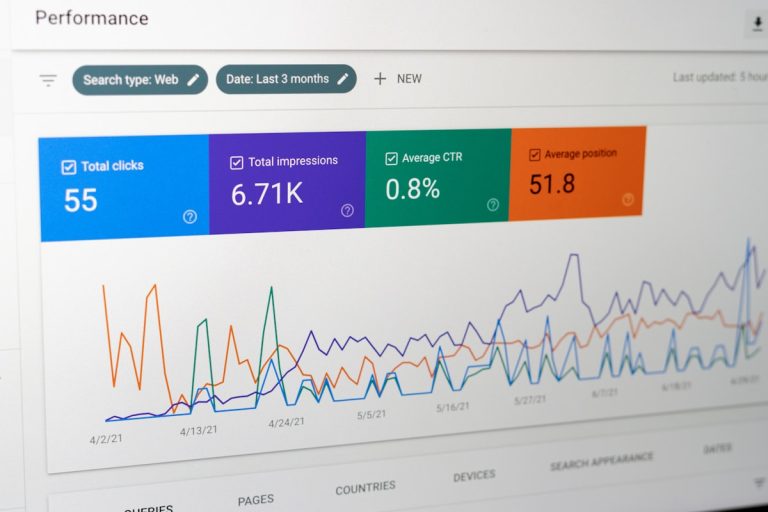
The New Frontier: Why AI Search Changes How We Measure Success
Search has changed drastically over the past year. People are no longer just typing three-word queries into a traditional search box and clicking the top blue link. Instead, they ask complex, nuanced questions directly to generative engines like ChatGPT, Claude, and Perplexity. If your brand is not cited in those direct answers, you simply do not exist for a massive slice of your audience. That is why modern marketing requires advanced content performance tracking to understand whether large language models actually reference your business or push buyers to your competitors. Traditional rank trackers only look at static SERPs, leaving you completely blind to the dynamic answers produced by conversational engines.
To keep pace, businesses must transition from basic keyword monitoring to comprehensive Generative Engine Optimisation (GEO). Navigating this shift means tracking how often AI answers recommend your products, observing citation shifts, and closing content gaps before your competitors do. By adopting unified platforms like AI CMO: Unified AI Marketing Automation for Digital Growth, founders and marketing teams can monitor multi-channel outputs, track citation health, and keep their business visible across modern search algorithms without burning through expensive agency retainers.
The Blind Spot of Traditional Analytics
Old-school analytics tools tell you who visited your website, which page they landed on, and how long they stayed. That was great for 2018. But what happens when an AI engine answers a buyer’s question entirely within its own chat interface?
This phenomenon, zero-click generative search, breaks traditional funnels. If someone asks an LLM for the best enterprise accounting software in the UK, the AI compiles a shortlist right there. If your business is missing from that synthesis, you lose a sale without ever seeing an impression drop in your legacy dashboard.
Tracking citations requires a completely different approach. You cannot simply check if your meta title contains a keyword. You have to evaluate semantic relevance, domain authority, entity associations, and source references. Standard rank checkers miss this context because they look for rigid position numbers on a page. Generative models construct unique answers on the fly, making static rank metrics practically useless.
What Real Content Performance Tracking Looks Like in the AI Era
When we talk about tracking in modern marketing, we are talking about two distinct layers: measuring traditional search health and observing AI model outputs.
First, you need continuous visibility into how search bots crawl and understand your pages. You can read our guide on how to check your brand’s AI visibility to see how modern bots ingest web text.
Second, you must track real-time sentiment and citation frequency inside AI engines. Are the models citing your research papers, your pricing pages, or your product comparisons? Or are they citing outdated forum threads from five years ago?
Effective tracking looks at:
- Citation Share: How often your brand appears as a reference source when relevant industry prompts are processed.
- Entity Association: Whether the generative engine pairs your brand with the right product category, pricing tier, and geographical market.
- Accuracy of Output: Ensuring the AI does not hallucinate false pricing, outdated features, or discontinued services.
- Competitive Share of Voice: Seeing which rivals are being recommended alongside your solutions, and identifying why the model favours them.
If you notice your visibility slipping on regional queries, you can Enhance Your Local Visibility by structuring location data and local service pages so generative engines cite your business accurately.
Diagnosing Drop-offs: Moving from Analytics to Execution
Analytics without execution is just trivia. You might spend days looking at dashboards that show declining reach, but if your team lacks the bandwidth to create new content, update outdated pages, or adjust structured schema, nothing improves.
This is the exact problem many growing businesses face. They run fragmented toolsets: one tool for keyword tracking, one for social scheduling, another for site audits, and a spreadsheet tying it all together. When they spot a visibility gap, fixing it requires briefs, meetings, agency calls, and weeks of back-and-forth.
Platforms that focus purely on conversational agent analytics can highlight where automated interactions drop off or where answers fail, but they leave you on your own when it comes to publishing fixes across your public marketing channels. A tracking tool might alert you that your competitors dominate generative citations for a key commercial phrase, yet it will not draft, format, and push the corrective content to your CMS.
True marketing resilience comes when your measurement system talks directly to your publishing workflow. By setting up continuous SEO Automation, your marketing platform can automatically spot declining search queries, generate authoritative update drafts, and queue them for your review.

Closing the Loop: From Generative Engine Optimisation to Revenue
Generative Engine Optimisation is not about stuffing keywords into blog posts. It is about establishing verifiable entity authority across the web.
LLMs feed on clear, factual, well-structured content. They reward sites that publish genuine expertise, clear definitions, transparent data, and direct answers to complex questions. When you set up reliable content performance tracking, you can see exactly which formats get cited most often.
Take a look at how this plays out in real operational setups:
1. Identify Answer Deficits
You discover through AI monitoring that when potential buyers ask for the best multi-channel automation systems, your company is omitted from the top three recommendations. The AI prefers competitors who have extensive comparison matrices published on their blogs.
2. Produce Authoritative Counter-Assets
Instead of writing vague articles, you generate detailed, evidence-backed breakdowns comparing technical workflows, governance standards, and operational costs. For teams balancing cross-platform campaigns, learning how to manage multi-channel with aiCMO shows how consistent messaging across web, email, and social feeds reinforces authority signals for external crawlers.
3. Maintain Human-in-the-Loop Governance
Automating production does not mean handing the keys over blindly. Reliable systems rely on explicit approvals. The AI prepares the technical analysis, aligns internal linking, and checks schema, but you review and authorise the final draft before it goes live.
Using a unified marketing operating system lets you handle these steps without hiring an expensive agency. You can deploy content performance tracking across every channel, seeing exactly how algorithmic updates impact your visibility in real time.
Solving the Fragmentation Trap for Growing Teams
Small to medium enterprises and lean marketing teams face an unfair battle. Enterprise companies can afford massive data science teams to scrape LLM outputs, analyse brand mentions, and deploy engineering updates every morning. Smaller firms end up stuck in a cycle of manual checks and fragmented software subscriptions.
When you spread your team across disconnected tools, critical signals slip through the cracks:
- Rank tracking alerts sit unread in an email inbox.
- Social media updates fall out of sync with your core content topics.
- Site technical health degrades, slowing down indexation.
- Your marketing spend climbs while your organic visibility stagnates.
Consolidating your marketing tech stack into an intelligent, autonomous operating layer eliminates this friction. When your system continuously audits your search presence, suggests timely content updates, and prepares social distributions simultaneously, you can maintain enterprise-grade velocity with a fraction of the overhead. You can review our detailed documentation on how to onboard & manage your brand with aiCMO to see how unified brand guidelines keep all autonomous outputs perfectly aligned with your company voice.
To stop losing ground in local and national markets, teams can Master GEO Targeting with AI and ensure every regional landing page remains fresh, crawlable, and cited.
The Future Belongs to Proactive Brands
Waiting for monthly agency reports is no longer a viable strategy. In the time it takes an external consultant to compile a PDF slide deck, generative engines have already shifted their citation preferences dozens of times. Search algorithms now refresh their contextual understanding continuously.
Success in this environment requires proactive adaptation. You must watch how your content performs across every platform, identify citation drops immediately, and deploy high-quality, verified updates straight away. By combining automated research, smart citation tracking, and controlled execution, your brand stays authoritative no matter how search engines evolve.
Take control of your digital visibility today. Put your marketing operations on track by exploring how Automate Your SEO with AI helps you build sustainable organic authority, and discover how AI CMO: Unified AI Marketing Automation for Digital Growth delivers the end-to-end intelligence you need to stay ahead.