Why Academic Theory Fails Without Real-Time Execution
If you have ever tried digging through academic journals like the International Journal of Information Management, you will notice a recurring theme. Researchers spend hundreds of pages proving that hyper-tailored messaging drives incredible commercial value, yet most UK small businesses still send generic newsletters and struggle with flatlined organic search traffic. That massive gap between cutting-edge algorithm models and daily marketing execution is where growth stalls. Most teams get stuck managing a fragmented mess of isolated analytics dashboards, agency retainers, and content schedulers that never speak to one another.
To bridge this divide, modern businesses require personalized marketing automation through AI CMO: Unified AI Marketing Automation for Digital Growth. Instead of letting sophisticated information systems remain trapped inside academic papers, you need an operational framework that translates behavioural insights, search intent data, and dynamic content delivery into practical workflows. When you take theoretical machine learning models and connect them directly to your digital channels, tailored campaigns stop being an expensive luxury and become a scalable, daily reality.
The Academic Disconnect: Why Information Systems Research Stays Trapped in Journals
Enterprise technology studies have spent years analysing how algorithmic decision-making, predictive data governance, and sociotechnical frameworks impact enterprise value. The conclusion is always unanimous: contextual, dynamic relevance beats broadcast marketing every single day of the week.
Yet, why do so many growing companies fail to adopt these frameworks?
The answer comes down to operational friction. Academic papers highlight three major hurdles that prevent businesses from deploying sophisticated customer journeys:
- Algorithmic Trust and Black-Box Anxiety: Teams hesitate to deploy autonomous systems when they cannot inspect or govern what the algorithm writes, promises, or publishes.
- Technical Debt and Tool Fragmentation: Stitching together an SEO tool, a social platform, a customer database, and a content management system creates brittle integrations that break constantly.
- Change Management and Skill Gaps: Small marketing teams rarely have dedicated data scientists or enterprise architects on hand to retrain natural language processing models.
When enterprise researchers talk about sociotechnical balance, they mean creating systems where software does the heavy computation while human experts maintain governance. Without a unified system, founders and marketing managers end up doing manual data entry instead of directing brand strategy.
Deconstructing Hyper-Personalisation: From Customer Segments to Contextual Intent
Traditional digital marketing relies heavily on basic segmentation. You take an audience, split them by demographic or location, and send them slightly different versions of the same campaign. Academic research proves that this static approach barely moves the needle today.
True hyper-personalisation works at the individual search and interaction level. It relies on contextual intent:
- What specific problem is the user trying to solve right now?
- What terminology does their specific sector use when asking questions?
- How can a single asset adapt to answer local, regional, and commercial nuances simultaneously?
Managing this manually across multiple channels is practically impossible. The moment you publish a post, search trends shift, search engines update their ranking algorithms, and local intent patterns pivot.

To maintain consistent relevance across local regions, forward-thinking brands use intelligent workflows to Master GEO Targeting with AI across their primary landing pages. Adapting your digital footprint to reflect neighbourhood search patterns transforms broad academic theory into direct inbound enquiries.
The Engineering Behind Automated Organic Reach and Algorithmic Search
Search engines are increasingly powered by machine learning algorithms that prioritise real utility, contextual depth, and information gain. If your website publishes thin, generic articles created by disconnected tools, modern search engines simply ignore them.
Bridging the gap between empirical data science and real-world search results requires an engine that analyses your live workspace metrics, identifies keyword gaps, and crafts context-rich solutions. That is where personalized marketing automation changes the operational landscape for growth teams.
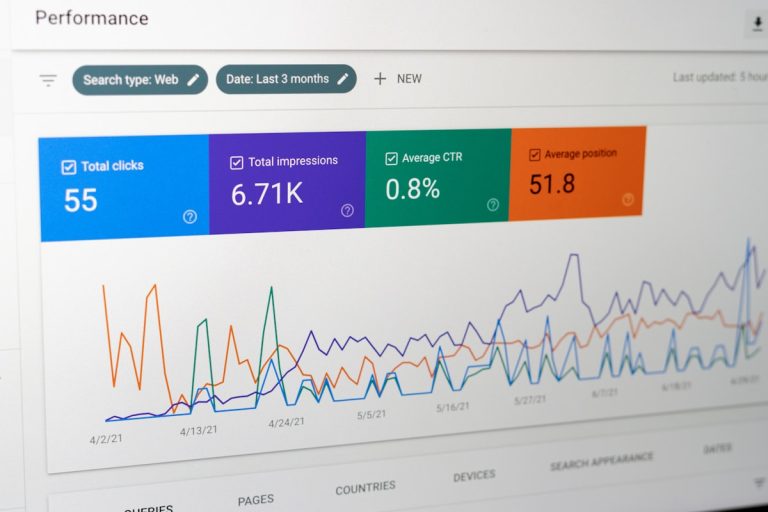
Instead of guessing what topics your prospects care about, intelligent engines monitor search impressions and organic search visibility continuously. To see how structured autonomous workflows handle this across real businesses, you can inspect this digital transformation case study to understand how continuous data tracking leads to measurable business growth.
When your system can read live site signals, generate targeted solutions, and queue them for execution, your ranking potential shifts dramatically. You can Start Your SEO Autopilot to eliminate the hours wasted on manual spreadsheet audits and disconnected keyword tools.
Human-in-the-Loop Governance: Solving the Algorithmic Trust Dilemma
One of the sharpest insights from recent information management literature involves algorithmic trust. When businesses hand complete control over to fully autonomous, black-box systems, quality degrades, brand voice drifts, and embarrassing errors occur.
The academic solution is “human-in-the-loop” system design. Technology should handle data processing, research synthesis, and initial drafts, but strategic approval must rest with human managers.
By introducing explicit checkpoints, idempotency, and action logging, you eliminate the risks associated with unpredictable generative algorithms. You get the scale of automated intelligence without surrendering your brand standards.
To learn how this operational balance operates across diverse touchpoints, take a look at our practical guide on how to manage multi-channel with aiCMO. It shows how unified workflows keep your social, web, and search messaging aligned under a single governed process.
Scaling Content Across Channels Without Ballooning Overhead
The biggest headache for growing businesses is maintaining cross-channel consistency. You draft a thoughtful, research-backed perspective for your website, but then you need to adapt it for social networks, local directories, and newsletter updates.
Most companies react by hiring expensive agencies or juggling six separate software subscriptions. That path drains cash reserves and introduces communication delays.
Instead of spreading your team thin, modern platforms let you Automate Your SEO with AI while ensuring that cross-channel assets inherit the exact same core insights. You can read our detailed breakdown on how to check your brand’s AI visibility to see how algorithmic discovery engines evaluate your presence across the broader web.
By keeping your strategic messaging grounded in verified performance data, your marketing output remains focused and relevant. You avoid the traps of generic, repetitive content that drives prospective customers away.
Measuring What Truly Matters: Beyond Vanity Metrics
Academic research frequently warns against reliance on superficial metrics. Page impressions, social media likes, and raw traffic numbers look impressive in monthly slide decks, but they rarely translate directly to healthy balance sheets.
A scientifically grounded approach focuses on measurable commercial indicators:
- Contextual Search Penetration: Are you winning queries that reflect immediate buying intent?
- Local Discovery Share: Does your brand appear when prospects in targeted towns search for your exact services?
- Content Production Velocity: How many hours does it take your team to move an insight from concept to published page?
- Operational Expense Reduction: How much capital are you saving by bringing execution in-house through automated workflows?
Focusing on these performance markers gives you an accurate assessment of growth. You can Enhance Your Local Visibility without waiting months for traditional marketing agencies to send their next retrospective report.
Transforming Academic Principles into Real Market Advantage
Bridging empirical research and day-to-day digital marketing is no longer a luxury reserved for multinational enterprises with massive R&D budgets. The tools required to automate research, track search visibility, and publish brand-aligned content are now accessible to every ambitious enterprise.
By embracing a unified, transparent operating system that pairs intelligent automation with human verification, your business stops chasing fragmented marketing tactics. You can deploy sophisticated, personalized marketing automation with AI CMO to scale your search footprint, reduce unnecessary operational costs, and build durable digital authority that lasts.