The Zero-Click Shift: Why Lesson 0 1 Matters Right Now
Search is changing faster than most marketing teams can track. If you open Google today, you might notice that the classic list of ten blue links is pushed far down the screen, replaced by large AI-generated summaries. Recent industry data shows that Google AI Overviews alone can slash click-through rates on the top organic spot by up to 58 percent. Meanwhile, platforms such as ChatGPT, Perplexity, and Claude answer multi-layered buyer questions without users ever touching a traditional search bar. This change represents a major turning point: you are no longer just competing to be clicked; you are competing to be cited, synthesised, and recommended. Welcome to lesson 0 1 of modern search: if machines cannot parse, trust, and quote your content, your business simply disappears from the digital dialogue.
This fundamental transformation brings us directly to Answer Engine Optimisation (AEO), the disciplined practice of structuring your digital footprint so conversational engines surface your solutions first. Moving forward requires more than manual keyword stuffing or waiting weeks for agency reporting decks. You need a modern engine that bridges high-level marketing strategy with rapid, automated execution. That is why smart teams turn to AI CMO: Unified AI Marketing Automation for Digital Growth to future-proof their visibility and outmanoeuvre slow-moving competitors across every conversational platform.
What Exactly is Answer Engine Optimisation (AEO)?
Let us keep this simple: traditional Search Engine Optimisation (SEO) asks, “How do I make this webpage rank position one on a search engine results page?” Answer Engine Optimisation (AEO) asks, “How do I make my brand the authoritative answer when an AI system responds to a direct user question?”
In the classic search world, users enter a query like “best commercial coffee machines UK,” scan a list of links, click three tabs, read them, and form an opinion. With answer engines, the user types: “Compare commercial espresso machines for an office of 40 people with low maintenance needs.” The language model immediately reads, cross-references, extracts specific data points, and outputs a concise comparative answer with two or three brand recommendations.
Here is what changes under the hood:
- From rank to citation: You are not fighting for rank positions 1 through 10. You are fighting to be one of the two or three sources cited inside the synthesis box.
- From keyword density to factual entities: Large language models do not care if you repeat a phrase six times. They care about entity relationships, clear definitions, clear pricing, and verified data.
- From traffic volume to high-intent conversions: Visitors arriving from AI citations convert at exceptionally high rates. They did not arrive on a whim; they arrived because an AI tool directly vetted and recommended your solution based on precise requirements.
To track how your brand currently performs across conversational platforms, you can check our guide on how to check your brand’s AI visibility and audit where your entity appears in natural queries.
AEO vs SEO: The Zero-Sum Myth
Whenever a technical shift occurs, someone shouts that traditional marketing is dead. In 2010, when mobile apps exploded, commentators claimed the open web would vanish. It did not; mobile apps simply expanded the pie while the web matured.
The exact same pattern applies here. AEO does not kill SEO; AEO sits directly on top of SEO.
Traditional search engines index your pages, assess domain authority, and check crawlability. Large language models leverage that exact same crawled data to train models and retrieve real-time facts using Retrieval-Augmented Generation (RAG). If your technical SEO foundation is broken, answer engines cannot access your data in the first place.
| Feature | Traditional SEO | Answer Engine Optimisation (AEO) |
|---|---|---|
| User Goal | Discover relevant links to browse | Receive an immediate, synthesized solution |
| Output Format | Ranked list of blue hyperlinks | Conversational paragraph, bullet points, citations |
| Primary Metric | Organic clicks, impressions, keyword ranking | Brand citations, sentiment, model recommendations |
| Content Priority | Comprehensive, keyword-targeted pages | Structured, extractable facts and direct answers |
| Conversion Intent | Broad informational interest | High commercial intent, pre-qualified by AI |
You do not choose between traditional search and generative engines. You master the technical fundamentals of both. You can read more about tracking conversational metrics via our dedicated AI Visibility Tracker module.
Why Legacy Toolkits Leave You Stranded
Popular SEO suites like Ahrefs and SEMrush are fantastic at backwards-looking data. They show you historic backlink profiles, estimate legacy keyword search volumes, and tell you which pages ranked well six months ago.
However, they suffer from a massive bottleneck: they are built for analysis, not autonomous execution.
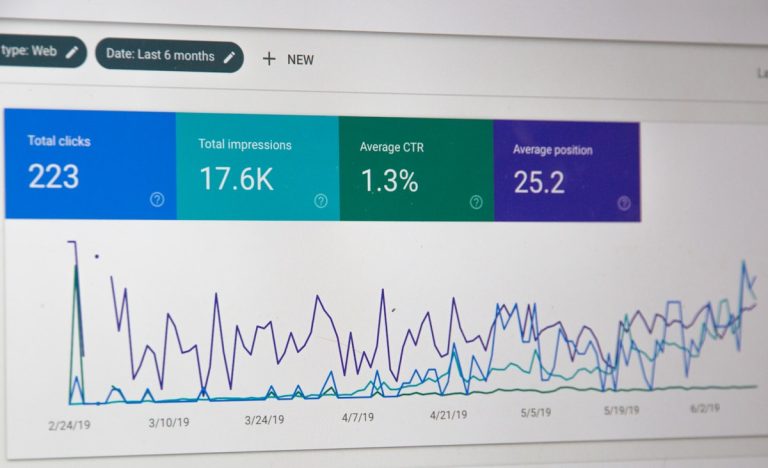
They provide massive dashboards filled with charts, but they expect you to spend thirty hours a week manually drafting content, updating schema, rebuilding local citations, and distributing updates across social platforms. Small to medium enterprises do not have the spare hours or the massive agency budgets to sit around interpreting charts.
Furthermore, point tools treat marketing as disconnected silos. You might run one tool for backlinks, another for local Google Business profiles, another for social posting, and an overpriced agency for general content. The result is high overhead, fragmented data, and snail-paced execution.
If you want your brand to become the default answer in conversational search, you cannot rely on slow manual updates. You can easily Start Your SEO Autopilot to eliminate disjointed tool sets and maintain non-stop search optimisations.
The Three Pillars of Answer Engine Visibility
To ensure your brand appears inside generative answers, your digital strategy must be built on three core pillars:
1. Clear Entity Architecture and Structured Data
Language models process facts by mapping entities (people, products, organisations, places) and their relationships. If your site does not tell search robots explicitly who you are, what you offer, and who you serve, an answer engine will simply pass you over for a competitor with cleaner schema markup. Using clear FAQ schema, Product schema, and organisation graphs ensures that web crawlers can ingest your core information without guessing.
2. Conversational Q&A Content Formatting
When users talk to conversational engines, they ask natural questions. Your content must mirror this. Instead of burying answers in flowery prose, structure your articles with direct, definitive answers right beneath clear headings. State the question, answer it directly in the first two sentences, and follow up with supporting context, data, or bullet points.
3. Distributed Brand Sentiment Across the Web
Answer engines rely on broad consensus. They do not just read your website; they scan forum discussions, directory citations, digital PR mentions, and external reviews to determine whether you are reputable. This is where local relevance intersects with generative discovery. To capture regional intent and answer queries effectively, explore how to Master GEO Targeting with AI across your target geographic footprint.
Real-World Execution: Connecting Strategy to Multi-Channel Workflows
Knowing the theory is one thing; putting it into practice every single day is another. For most teams, the sheer volume of work required to satisfy answer engines across web, local search, and social platforms leads straight to burnout.
Modern teams tackle this challenge by using our Ask Maggie conversational agent. Instead of jumping between six different software subscriptions, you speak directly with an intelligent operating system that reads your authorised workspace data, plans your marketing calendar, prepares brand-consistent articles, answers AI visibility questions, and stages drafts for your explicit review.
This system provides human-in-the-loop governance:
- Autonomous Research: The system discovers missing conversational queries, topical gaps, and regional target opportunities.
- Structured Content Generation: The platform prepares comprehensive, schema-ready articles formatted specifically for language model extraction.
- Strict Approval Safeguards: Nothing is published blindly. Agent writes utilise signed confirmations, clear permission checks, and detailed action logs. You maintain complete control over what goes live.
- Multi-Platform Distribution: Once approved, your content is deployed across your content management system and social channels simultaneously.
For teams managing distributed campaigns across multiple touchpoints, our guide on how to manage multi-channel with aiCMO demonstrates how structured governance prevents fragmented messaging.
A business that implements these disciplined techniques can establish an unshakeable presence across both traditional indices and next-generation answer engines. If you want to see how these automated systems translate into real-world traffic gains, you can Enhance Your Local Visibility without drowning in administrative busywork.
The Practical Playbook for Generative Search
If you want to prepare your digital assets right now, use this actionable, step-by-step checklist:
- Review Your Core FAQs: Audit your top five product pages. Do they provide direct, unambiguous answers regarding pricing, integrations, specifications, and regional availability? If not, rewrite them using concise terminology.
- Establish Entity Authority: Update your about pages, social media profiles, and industry listings so your business name, core address, and central services match verbatim everywhere online.
- Optimise for Direct Definitions: When writing informational articles, define key industry terms within the first fifty words of the page. Answer engines favour authoritative, concise definitions when generating quick answer summaries.
- Run Real-Time AI Tests: Query platforms like Perplexity and ChatGPT using the exact buyer questions your ideal customers ask. Review which competitors are currently recommended, note what external resources are cited, and target those exact topics on your own site.
By treating generative search engines as research partners rather than mysterious black boxes, you position your brand directly in the path of motivated, high-converting buyers. The manual approach of relying on bulky legacy platforms and slow agency retainers simply cannot keep pace with the real-time adjustments conversational search demands.
Take control of your digital visibility today. Automate Your SEO with AI and discover how our end-to-end platform can scale your visibility, protect your brand authority, and turn conversational search queries into sustainable commercial growth.