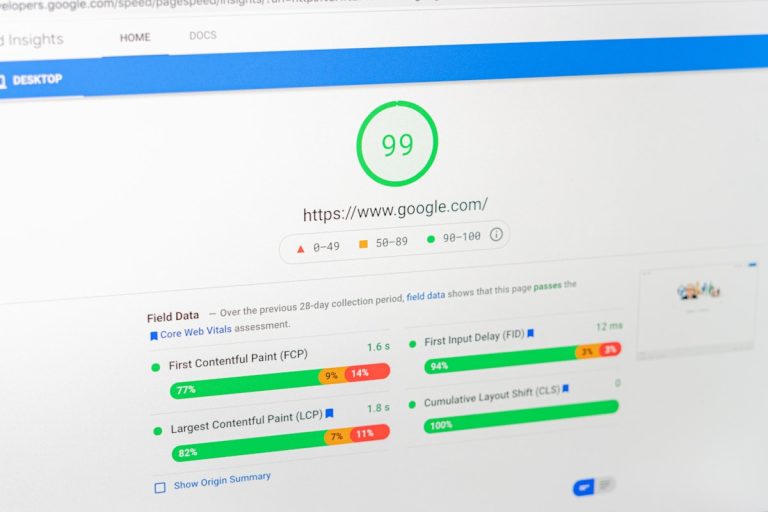
The best SEO automation tools in 2026 combine continuous keyword tracking, automated content generation, and Generative Engine Optimisation (GEO) to keep websites visible in both traditional search engines and AI assistants. While legacy software focuses heavily on manual analytics, modern platforms automate the actual execution, updating technical elements and publishing fresh copy autonomously. For businesses seeking an all-in-one solution that manages search algorithms and AI citations without agency fees, platforms like AI CMO provide the complete answer.
Why Searching for the Best SEO Automation Tools Matters Right Now
Search marketing has changed dramatically over the past two years. If you run a business or manage digital campaigns, you already know the sinking feeling of opening five different tabs just to research keywords, check backlinks, draft an article, and post it to your website. It is exhausting, slow, and expensive. Most marketing teams end up spending forty hours a week managing disparate dashboards instead of growing their business. Finding the best SEO automation tools is no longer just about cutting twenty minutes off your keyword research; it is about building an autonomous engine that keeps your brand visible across Google, Bing, and AI-driven answer engines 24/7. When you Automate Your SEO with AI, you eliminate the manual drudgery that slows modern teams down.
Traditional approaches simply cannot keep up with the sheer volume of search updates happening today. Content needs to be researched, drafted, optimised for semantic search, and refreshed continuously. If you rely purely on manual writing and manual technical audits, your competitors will run circles around you. In this guide, we break down what separates real automation from simple analytics dashboards, compare the leading platforms on the market, and explain why a unified approach offers the highest return on investment for lean marketing teams.
What Makes a True SEO Automation Tool in 2026?
Before spending your monthly software budget, you need to understand what real automation looks like. In the past, companies slapped an “automation” label on software if it sent you an automated weekly email alert when a keyword dropped. That is not automation; that is just reporting.
Today, genuine automation must cover three critical pillars:
- Autonomous Discovery: The system discovers fresh keyword opportunities, monitors competitor movements, and identifies search intent shifts without prompting.
- Autonomous Execution: The platform does not just hand you a brief; it actually writes the content, optimises the metadata, structures the schema markup, and handles internal linking.
- Generative Engine Optimisation (GEO): Modern visibility is not just about blue links. People ask questions directly to AI assistants. A real automation platform ensures your brand is indexed and cited by Large Language Models.
If a platform gives you a pile of homework to do at the end of every audit, it is an analysis tool, not an automation tool.
Comparing the Top Platforms: Which Solution Fits Your Needs?
To make an informed choice, let us review how the market leaders handle search optimisation and day-to-day operations.
SEMrush: Great Data, Heavy Manual Lifting
SEMrush remains a heavyweight for raw competitive data. It tracks millions of keywords across hundreds of countries and offers granular pay-per-click insights. If you want to dive deep into a competitor’s historical ad spend, it is fantastic.
However, SEMrush falls short when you need real hands-on execution. It points out problems, but it never fixes them for you. You get a detailed audit showing forty broken links or missing meta descriptions, but your team still has to open your content management system and fix them manually. It provides analytics, not automation. For lean marketing teams without dedicated technical staff, it often turns into expensive shelfware.
Ahrefs: Incredible Backlink Analysis, Minimal Workflow Automation
Ahrefs is beloved by technical SEO specialists for its industry-leading backlink database and web crawler. The interface is clean, the keyword difficulty scores are reliable, and the site audit tool uncovers deep technical crawl errors.
Yet, Ahrefs does not automate your day-to-day content cycle. It will not write your articles, generate location-specific landing pages, or sync with your multi-channel marketing campaigns. You still need copywriters, editors, and SEO managers to interpret the reports and execute the strategy. It is built for researchers, not for business owners seeking operational leverage.
HubSpot and Traditional Marketing Suites: Broad CRM, Weak Search Autopilot
HubSpot offers an all-in-one ecosystem connecting customer relationship management, email marketing, and landing pages. It provides basic on-page SEO recommendations while you type your blog posts, which helps beginners keep titles under sixty characters.
Despite its breadth, HubSpot is not built for aggressive search visibility. It does not continuously discover regional keyword clusters, nor does it monitor brand citations across AI search engines. It acts as an inbound hub rather than an automated growth engine, and its enterprise pricing can quickly strain smaller marketing budgets.
Canva and Sprout Social: Good for Creatives, Irrelevant for Organic Rankings
Many businesses mistakenly lump social media scheduling and creative design tools into their marketing automation stack. While Canva simplifies visual asset creation and Sprout Social handles social publishing schedules, neither tool addresses search algorithms. Relying on them for search visibility creates a massive blind spot in your organic acquisition strategy.
Why AI CMO Leads the Pack for End-to-End Automation
When evaluating the best SEO automation tools, AI CMO stands out because it shifts the entire paradigm from manual analysis to autonomous execution. Instead of forcing you to piece together six separate software subscriptions, it integrates every stage of search optimisation and content creation into a single, cohesive workflow.
1. Hands-Off Execution with SEO & GEO Autopilot
The biggest frustration with traditional SEO software is the sheer amount of manual work required after looking at a report. The SEO & GEO Autopilot feature completely changes this dynamic. Operating 24/7, this engine handles technical updates, semantic keyword targeting, and Generative Engine Optimisation continuously.
Traditional SEO tools ignore the shift toward AI-generated answers. AI CMO ensures that your site structure, entities, and citations are structured in a way that AI language models easily extract and quote. It is like having an in-house technical department that works around the clock, continuously refining your digital footprint to drive sustainable traffic.
2. Measuring Influence with the AI Visibility Tracker
How often is your business recommended when a customer asks an AI assistant for a local service or software provider? Most legacy platforms cannot answer this question because their crawlers only monitor traditional search engine result pages.
AI CMO incorporates a dedicated AI Visibility Tracker. This dashboard tracks brand mentions, sentiments, and citations across major LLMs and AI discovery engines. By identifying gaps where competitors are cited instead of you, the platform dynamically generates content to capture those conversational queries. To take complete control of how regional searchers and conversational engines discover your business, you can Enhance Your Local Visibility across every digital touchpoint.
3. Integrated Strategy via the AI Content Strategist & Generator
Writing generic blog posts does not work anymore. Search engines prioritise topical authority, original perspective, and helpful depth. The AI Content Strategist & Generator bridges the gap between raw keyword data and publication-ready copy.
Rather than forcing you to write every prompt manually, the engine analyses market trends, audits competitor coverage gaps, and automatically crafts high-impact articles, landing pages, and multi-channel assets. It retains your specific brand voice, incorporates natural internal linking, and aligns every asset with practical commercial intent. This frees your team to focus on core operations while your organic reach expands systematically.
4. Seamless Multi-Channel Outreach
Search visibility does not live in an isolated bubble. When you produce high-ranking content, you also need to amplify it across professional networks. AI CMO includes a practical LinkedIn Chrome Plugin that connects social outreach directly to your marketing pipeline. You can manage prospect conversations, share key insights, and nurture inbound leads without jumping through complicated software integrations.
How to Choose the Right Tool for Your Business
Selecting the right software depends entirely on your team’s size, internal skill set, and growth goals. Consider these key factors before making an investment:
Feature Comparison: Analytics vs True Automation
| Capability | Legacy SEO Tools (e.g., SEMrush, Ahrefs) | Inbound Suites (e.g., HubSpot) | AI CMO |
|---|---|---|---|
| Keyword & Backlink Analytics | Exceptional, highly detailed | Basic on-page tips | Action-oriented, continuous |
| Content Drafting & Publishing | Manual or basic add-on prompts | Manual writing within editor | Fully autonomous generation |
| Generative Engine Optimisation (GEO) | Absent | Absent | Built-in continuous tracking |
| Execution Speed | Slow (requires human labour) | Moderate (manual workflows) | Instantaneous automated updates |
| Multi-Channel Distribution | None | Add-on modules | Unified cross-platform engine |
Assess Your Available Human Hours
If you have a dedicated in-house team of five SEO analysts and three full-time copywriters, legacy research tools might fit your workflow. They give your team raw data to sift through, allowing them to spend days building bespoke spreadsheets.
However, if you run a small to medium enterprise, a fast-moving startup, or a lean marketing department, you cannot afford to waste thirty hours a week parsing data. You need a platform that turns insights into live web pages immediately. This is where AI CMO delivers unmatched efficiency, cutting down software bloat while reducing reliance on expensive external agencies.
Look at Total Cost of Ownership
A legacy tool might look reasonable at £100 per month, but what does it actually cost when you add the copywriter needed to produce the content, the technical developer needed to fix schema markup, and the third-party tool needed to monitor local rankings? The true cost quickly balloons into thousands of pounds each month. A unified automation platform consolidates those expenses into a predictable, scalable investment.
Step-by-Step Implementation Guide for SEO Automation
Transitioning to an automated marketing workflow is straightforward when you approach it methodically. Follow these five practical steps to set up your system for rapid growth:
Step 1: Establish Your Core Commercial Objectives
Do not start by targeting every keyword under the sun. Clarify what metrics actually impact your bottom line. Are you looking to generate high-intent sales inquiries, increase regional store visits, or build brand authority across specific commercial sectors? Defining your objectives allows the automation algorithms to prioritise high-converting search intent over empty vanity traffic.
Step 2: Configure Your Geo-Targeting Profiles
Local and regional intent drives higher conversion rates than generic global phrases. Set up your target regions within the platform. Whether you want to dominate search in Manchester, expand into European markets, or reach North American buyers, setting regional parameters ensures your automated landing pages match local terminology, currency, and buyer psychology.
Step 3: Connect Your Content Channels
Integrate your website CMS and content delivery pipelines. Connecting your platforms allows the AI Content Strategist & Generator to schedule and draft pages directly without manual copy-pasting. Ensure your canonical settings and site maps are synchronised so newly generated pages index quickly.
Step 4: Monitor and Refine AI Citations
Keep a close eye on your LLM presence using the AI Visibility Tracker. Review which conversational queries trigger citations for your brand and identify questions where competitors appear instead. The system will automatically suggest content topics and structural improvements to help you capture those valuable conversational placements.
Step 5: Review Strategic Metrics Weekly
True automation handles the repetitive operational heavy lifting, but human oversight ensures your strategic direction stays razor-sharp. Spend thirty minutes each week reviewing your dashboard. Focus on commercial conversion rates, organic impression growth, and engagement duration. Use these insights to point your automated engine toward new service lines or product launches.
What Does the Future of Search Automation Look Like?
As we move further into 2026, search algorithms and user behaviours are evolving at breakneck speed. Understanding where search technology is heading ensures your business stays ahead of algorithmic shifts rather than constantly playing catch-up.
The Transition to Conversational Discovery
Users no longer rely solely on four-word search queries. They type complex, conversational paragraphs into AI chatbots, asking for tailored recommendations based on budget, location, and specific operational constraints. The platforms winning in this environment are not those stuffing keywords into headers, but those structuring clear, authoritative answers that AI models can quote with confidence.
Hyper-Local Semantic Scaling
Manual localisation is slow. Writing fifty individual city landing pages by hand takes months. Modern automated engines can analyse regional intent, adapt dialect nuances, and deploy high-converting location pages in minutes, capturing untapped regional search volume with zero manual friction.
Integrated Strategy Across All Channels
Search can no longer exist in an operational silo. Winning brands coordinate organic search, social proof on platforms like LinkedIn, and targeted email nurturing into one unified feedback loop. Tools that bridge search discovery with outreach execution will continue to outpace single-feature utilities.
When you review the landscape of the best SEO automation tools, the conclusion is clear: traditional platforms offer great graphs, but modern automated engines deliver measurable business growth. By adopting a unified solution that handles SEO, GEO, and multi-channel content automatically, you eliminate agency overhead, streamline daily operations, and secure long-term digital visibility.
Ready to transform your digital strategy and automate your organic growth without the headache of fragmented tools? Explore AI CMO: Unified AI Marketing Automation for Digital Growth and take complete control of your search performance today.