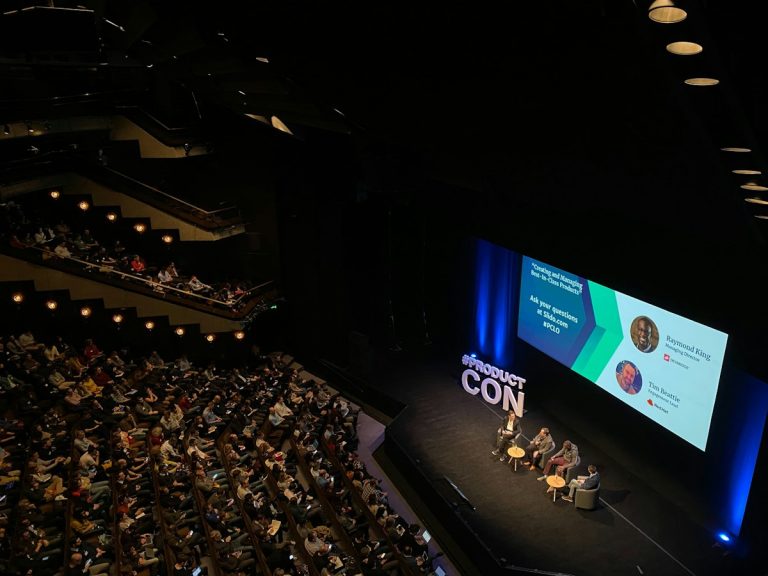
Why Most Event Takeaways Die in Your Notepad
We have all been there. You spend days soaking in bright ideas at a major digital marketing summit, drinking gallons of lukewarm coffee, and scribbling frantic notes in a pristine notebook. Then Monday rolls around. Real work crashes down on your desk. Client emails pile up, technical fires ignite, and those brilliant conference takeaways turn into digital dust inside a forgotten Google Doc. Thorough seo conference preparation is not just about choosing sessions or booking train tickets; it is about building an execution pipeline that converts raw insights into working campaigns before your enthusiasm evaporates.
Traditional agency advice tells you to manually organise your notes, set up weeks of cross-team briefing meetings, and gradually build spreadsheets. That route is painfully slow, expensive, and frankly broken for modern businesses that need immediate search visibility. By aligning your event schedule with modern execution platforms like AI CMO: Unified AI Marketing Automation for Digital Growth, you transform passive listening into automated marketing delivery. When you streamline the handoff from keynote speaker to technical workflow, you bypass manual bottlenecks completely and capture genuine search value.
The Pre-Event Setup: Beyond Packing Comfy Shoes
Most guides focus purely on logistics. Yes, you need comfortable trainers, a dependable laptop charger, and a reusable water bottle. London venues and sprawling conference halls will wear you out physically if you forget the basics. But the actual work starts two weeks prior to the opening keynote.
Start by auditing your site’s current performance bottlenecks. Ask yourself honestly: what are our biggest search blind spots right now? Are we lagging in regional local search? Is our technical content decaying? When you enter an event with distinct operational gaps in mind, you stop browsing randomly and start hunting for solutions.
Familiarise yourself with the speaker lineup early. Look up their recent publications, bookmark sessions that directly address your weaknesses, and clear your calendar in advance. If you spend the event ducking into quiet corridors to attend routine office syncs, you throw away your investment. If your search roadmap needs a hands-on audit before you arrive, you can Start Your SEO Autopilot to pinpoint structural gaps that demand answers during the technical panels.
During the Event: How to Capture What Actually Matters
Taking great notes is not about typing transcripts of every slide. Speakers talk fast, and slide decks get shared later anyway. Focus on recording three distinct types of information:
- Contrarian viewpoints: When a speaker challenges conventional wisdom about algorithm changes or SERP layouts, write it down.
- Operational workflows: Note the exact tools, data structures, and processes high-performing teams use to move faster.
- Direct action items: Translate high-level talk into a specific task for your own domain.
Avoid sitting passively through multi-track events without a clear objective. For single-stage setups, lean in and listen for overlapping principles between organic search, brand authority, and local discovery. If you run a multi-location brand or serve local markets, modern search requires specialised attention. When local search speakers share tactics on neighbourhood relevance, you can use those frameworks to Enhance Your Local Visibility without manually managing hundreds of directory entries.
Talk to your peers during breaks. Networking is often viewed with dread, but chatting over morning coffee is where real insights get shared. Ask other attendees how they are handling generative search results and indexation issues. These spontaneous conversations often yield far more practical advice than polished stage presentations.

The Execution Gap: Why Legacy Toolkits Leave You Stranded
Traditional platforms like SEMrush, Moz, and Ahrefs have spent years building reliable diagnostic toolkits. They tell you what is broken, provide endless keyword matrices, and show where competitors are outranking you. But then they stop. They hand you the diagnosis and leave the actual surgery to an overstretched team or an expensive third-party agency.
For small and medium enterprises, this model creates massive operational overhead. You pay substantial monthly fees for analytics, only to discover you need another retainer to write content, adjust metadata, and fix regional listings. It is a fragmented approach that delays results by months.
True seo conference preparation requires bridging the gap between analysis and execution. Instead of collecting raw data from legacy platforms and wondering how to action it, you need an operational brain that integrates both strategy and output. Leveraging an intelligent platform for your seo conference preparation lets you transform theoretical conference takeaways directly into running campaigns, bypassing the manual slog that stalls most digital projects.
Bridging the Gap with Autonomous Marketing Systems
Imagine returning to your desk on Monday morning. Instead of spending hours categorising notes, your marketing stack is already built to ingest your strategic priorities and do the heavy lifting. This is where an AI-driven operating system changes everything.
Rather than relying on black-box text generators that spit out unverified spam, modern solutions like Maggie AI Marketing Assistant act as a conversational CMO. Operating within the AI CMO ecosystem, Maggie reads authorised workspace data, plans your digital marketing roadmap, answers complex visibility questions, and prepares brand-consistent content across your channels.
Crucially, this system preserves human control. Every agent write uses signed confirmations, rigorous permission checks, idempotency, and transparent action logs. You maintain governance, while the AI manages continuous technical research, keyword mapping, and draft production. When you need to scale up your rankings across competitive terms, you can Automate Your SEO with AI and let autonomous agents prepare drafts and optimizations for your explicit approval.
| Feature | Legacy SEO Toolkits | AI CMO Platform |
|---|---|---|
| Primary Function | Analytics, research, reporting | Strategy, research, verified execution |
| Task Handling | Manual output required by user | Autonomous task execution with user sign-off |
| Execution Speed | Weeks of manual implementation | Real-time planning and content staging |
| Regional Targeting | Static data feeds | Automated GEO visibility adaptation |
| System Cost | Multiple subscriptions and retainers | Unified, cost-effective operating platform |
Turning GEO Targeting and Multi-Channel Insights into Reality
Conferences are currently dominated by one topic: how artificial intelligence and location engines are reshaping discovery. Search engines are no longer simple link directories; they are answer engines that surface hyper-local, context-aware information. If your business depends on regional customers, generic national keywords will drain your budget with little return.
At events like BrightonSEO or MozCon, experts talk extensively about modern entity mapping and local intent. Translating these insights into dozens of local landing pages, updated business citations, and localised social proof is an enormous operational burden for small teams. Using specialized automation, you can Master GEO Targeting with AI to ensure your site naturally answers geo-specific prompts and captures regional demand around the clock.
Furthermore, search does not live in isolation. A strong organic presence feeds social distribution, brand searches, and customer retention. Traditional agencies divide these duties into separate silos: an SEO team, a social media manager, and a copywriter. This division leads to fragmented messaging and inflated costs. A unified multi-channel operating platform allows you to plan an initiative once and roll it out across your entire web footprint seamlessly.

The Post-Event Debrief: From Conference Slides to Revenue
The true measure of any conference is what gets pushed live in the four weeks following the final applause. Do not let your notes sit idle. Follow a structured debrief method to maximise your return on investment:
- Consolidate and filter: Group your raw notes into immediate technical fixes, content experiments, and broad brand plays.
- Assign clear owners: If you work with a team, assign one specific task per person. If you are a solo marketer or business owner, pick the top two tasks that directly impact revenue.
- Deploy automation early: Do not waste hours writing foundational articles or auditing URL paths manually. You can Boost Your Search Rankings Now by deploying verified AI workflows to handle repetitive optimisation.
- Track performance continuously: Set up automated, 24/7 rank and visibility monitoring. Knowing how your changes affect visibility within weeks, rather than waiting for quarterly reports, allows you to pivot quickly.
- Refine regional presence: Use your fresh learnings on search behaviour to Boost Local Search Rankings across your key territories.
By standardising this review process, proving the ROI of your conference attendance to stakeholders becomes effortless. You are no longer bringing back vague promises of “future digital transformation”; you are presenting measurable traffic improvements and completed marketing deliverables.
Build a Resilient Marketing Engine
Attending search marketing conferences should leave you energized and focused, not buried under an impossible to-do list. The search landscape moves too quickly for manual execution cycles and bureaucratic agency models. By approaching your events with sharp planning, clear objectives, and an autonomous execution engine, you ensure every ticket purchased pays dividends for your business.
Do not let your next event pass you by without an execution plan. Connect your existing digital channels, eliminate fragmented point tools, and let intelligent systems handle your routine operational marketing tasks. Complete your conference review strategy today by heading to the home of SEO conference preparation and autonomous growth, where you can see modern AI marketing automation in action.