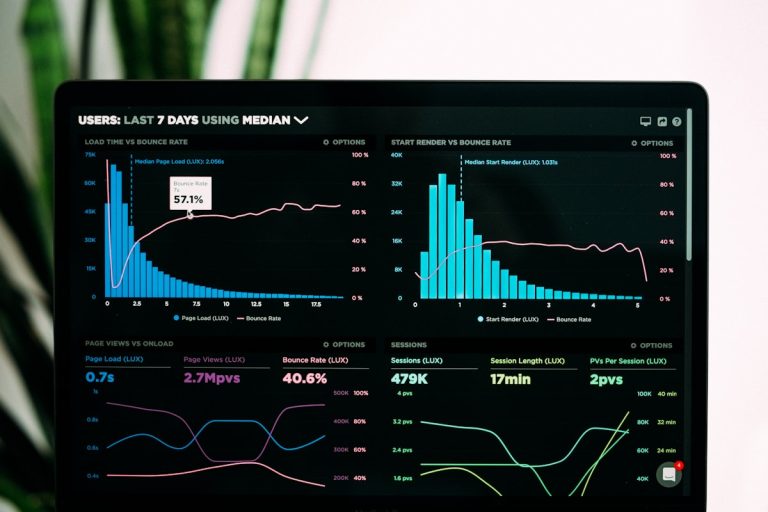
The Modern Solution to Ad Spend Waste and Marketing Burnout
Managing paid ads manually feels like running on a treadmill that never stops. You tweak bids at midnight, guess which negative keywords to add, and hope your conversion rates do not dive off a cliff by morning. It is exhausting, expensive, and frankly unnecessary. By leveraging modern PPC campaign automation with AI CMO, modern marketing teams can streamline their entire advertising workflow without burning through internal budgets or paying exorbitant agency fees.
Instead of juggling fragmented tools or waiting weeks for traditional agencies to send confusing performance reports, intelligent automation handles the heavy lifting in real time. It enables small to medium enterprises and startups to scale their campaigns, eliminate wasted ad spend, and maintain laser-focused targeting. In this guide, we will walk through eight practical, high-impact strategies to elevate your ad operations, cut operational noise, and drive consistent business growth.
1. Implement Dynamic Bid Management and Budget Allocation
Managing bids manually across multiple ad networks is a recipe for headache. Bidding too high wastes precious budget, while bidding too low pushes your ads into digital obscurity.
Automated bidding systems analyse hundreds of signals in seconds, adjusting bids based on device, location, time of day, and user intent.
- Real-time adjustments: Shift ad spend toward high-converting hours automatically.
- Budget fluidities: Move unspent daily funds directly to top-performing campaigns.
- Contextual signals: Adjust bidding intensity depending on actual search context.
When your bid adjustments happen automatically in the background, your team can finally step back from granular micro-management.
2. Leverage Proactive Negative Keyword Scrubbing
Nothing bleeds an advertising budget faster than paying for irrelevant clicks. If you sell enterprise software, paying for searches containing “free download” or “jobs” drains your wallet without producing real leads.
Automated rule setups inspect search query reports regularly. When low-intent or irrelevant search terms cross a predefined spend threshold, the system flags or adds them as negative keywords immediately.
This proactive approach protects your capital. Rather than discovering a wasteful query after it has already cost you hundreds of pounds, automation stops the bleeding early. You can also pair this with automated SEO search ranking tools to ensure your organic and paid search strategies work together seamlessly.
3. Harness Multi-Channel Syncing Across Networks
Running isolated ad campaigns on Google, Meta, and LinkedIn leads to overlapping messages and disjointed customer journeys. You end up bidding against yourself or bombarding the same user with duplicate ads across platforms.
Intelligent PPC campaign automation coordinates your touchpoints across channels. If a prospect clicks a Google Search ad but leaves without converting, automated workflows can trigger a tailored retargeting ad on social platforms.
By unifying your data streams, you ensure that every paid touchpoint reflects where the user is in their buying journey.
4. Master GEO Targeting with Precision AI Signals
Local relevance can make or break a campaign. Showing ads for a region-specific service to users miles outside your coverage area is purely wasted spend.
Advanced PPC setups utilise precise geographic targeting alongside real-time location data. Instead of setting static city radiuses, automated targeting adapts based on local demand trends and user movement.
If you want to build maximum presence in targeted locations, exploring AI-driven GEO visibility strategies allows you to dominate local search results without paying for impressions outside your target area.
As you look halfway through your optimization checklist, adopting a unified platform like AI CMO for digital marketing automation helps ensure your paid strategies align directly with your overall business objectives.
5. Automate Creative Asset and Copy A/B Testing
Writing ad copy takes time, but testing it continuously takes even more. Most teams launch two ad variations and forget to check back for months. That is a missed opportunity for higher click-through rates.
Modern automation platforms run multi-arm bandit tests. Instead of waiting weeks to split ad impressions evenly, automated algorithms quickly allocate traffic toward the best-performing headline and creative asset combinations.
- Dynamic headlines: Test messaging angles based on user search intent.
- Creative rotators: Automatically retire imagery that suffers from ad fatigue.
- Call-to-action tweaks: Find which exact phrasing drives lower cost-per-acquisition.
You spend less time staring at spreadsheets and more time scaling winning ad variations.
6. Streamline Audience Segmentation and Retargeting
Generic retargeting ads that follow users around the internet for months are inefficient and annoying. Smart segmentation ensures prospects see ads that directly address their last interaction.
By automating audience lists, you can segment visitors based on exact page depth, time spent on site, or specific products viewed.
- Cart abandoners: Show specific discount or incentive messaging within 24 hours.
- Content readers: Deliver relevant follow-up offers that expand on the topic they read.
- Existing customers: Exclude recent buyers automatically to avoid wasting money on unnecessary ad impressions.
Keeping your audience segments fresh ensures your ad frequency stays optimal without alienating potential buyers. You can expand your reach further by using automated SEO tools to capture organic intent before retargeting those visitors through paid channels.
7. Integrate 24/7 Real-Time Tracking and Performance Monitoring
Campaign anomalies happen. A broken landing page link, a spike in competitor bidding, or an accidental typo can derail campaign performance overnight.
Manual reviews might catch these issues days later. 24/7 automated tracking monitors your accounts continuously, sending immediate alerts if performance metrics deviate from baseline averages.
If your cost-per-click spikes unexpectedly or conversion tracking drops to zero, automated safety rules can pause affected ad groups instantly. This safety net prevents costly errors while keeping your brand presence secure.
8. Transition from Operational Intricacies to High-Level Strategy
The true value of PPC campaign automation is not just saving a few hours a week. It is about fundamentally changing how your team operates.
When routine bid adjustments, negative keyword updates, and performance tracking are handled automatically, marketers can focus on big-picture strategic decisions. You can spend time refining your core value proposition, improving landing page experiences, and developing new offer structures.
Automation eliminates the reliance on expensive external agencies that charge high retainers for routine account maintenance. By using unified platform solutions, small businesses can achieve enterprise-level advertising efficiency on a lean budget.
If you are ready to stop burning ad spend and want to streamline your digital growth effortlessly, boost your marketing performance with AI CMO today.