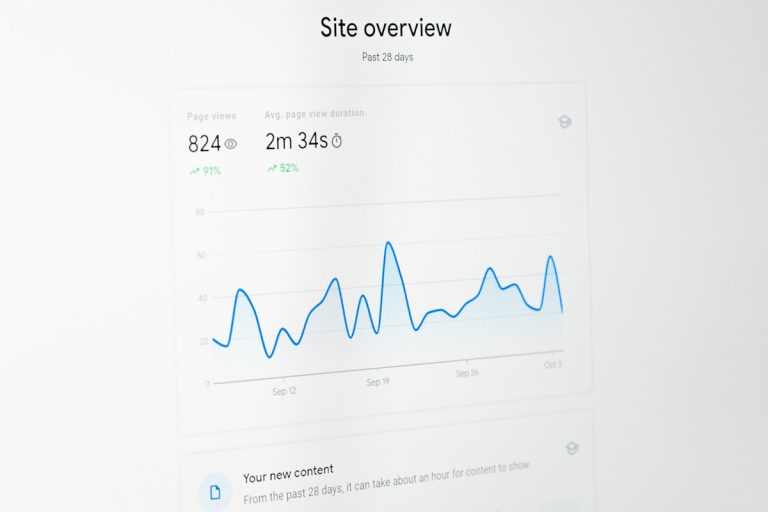
AI SEO automation is the programmatic execution of technical optimisation, entity mapping, and real-time indexing tasks using machine learning models without manual intervention. Instead of relying on manual audits or static spreadsheets, modern automation platforms monitor domains continuously, resolve crawl errors, construct validated JSON-LD schema, and secure citations across both traditional search engines and conversational engines like ChatGPT and Claude. This hands-off approach eliminates administrative backlog while maintaining continuous visibility across organic search and generative answer engines.
The Death of Manual Agency Retainers: Why Autonomous SEO Wins
Nobody starts a business to spend Friday afternoons colour-coding keyword spreadsheets or chasing missing meta descriptions. For years, traditional agencies treated organic search marketing like an endless loop of billable hours, passive diagnostics, and 40-page PDF audits where nothing actually got fixed. That manual agency model is dead. Search algorithms now update continuously, while answer platforms like Perplexity and Google AI Overviews assemble answers on the fly. To capture sustainable traffic without drowning in administrative busywork, using AI CMO: Unified AI Marketing Automation for Digital Growth delivers the continuous, software-driven execution required to win modern search.
Modern buyers rarely scroll past the top results when an AI assistant delivers a verified, instant summary right away. When you depend on quarterly manual audits, agile competitors absorb your organic traffic before your team even logs a development ticket. Autonomous systems catch technical crawl errors the minute they happen, patch rich schema across your CMS, and monitor brand citations across conversational assistants. It is time to replace manual busywork with software that actively does the heavy lifting.
What Is the Real Execution Gap in Legacy Search Software?
Legacy search software tools have sold the exact same illusion for over a decade. They crawl your domain, build a colourful dashboard, send an email alert listing 400 technical warnings, and leave you to fix every single line item by hand.
That is not execution; that is just unpaid administrative homework.
Discovering that an old product collection has a missing canonical tag or that twenty blog posts are losing rankings does not generate revenue. Fixing the problem generates revenue. Modern AI SEO automation closes this execution gap. Instead of handing your engineering team another unmanageable backlog, an autonomous platform detects traffic dips, patches structured schema, resolves server response codes, and refreshes decaying metadata directly within your content management system.
| Operational Area | Legacy SEO Software | Autonomous AI SEO Platforms | Practical Benefit |
|---|---|---|---|
| Diagnostics | Weekly or monthly domain sweeps | 24/7 continuous data streaming | Catches crawl bugs and drops instantly |
| Technical Tasks | Static error logs in a PDF | Direct CMS and server-level updates | Clears backlogs without engineering hours |
| Keyword Discovery | Stale 30-day search volumes | Real-time semantic intent clustering | Targets emerging search demand immediately |
| AI Discovery | Standard rank tracking only | Real-time LLM citation intelligence | Secures recommendations inside ChatGPT & Claude |
| Tool Footprint | 5 to 7 disconnected SaaS apps | Unified operational engine | Cuts subscription spend and eliminates chaos |
| Execution Speed | Weeks of cross-team review | Automated, rules-based deployment | Speeds up time to market for every fix |
Rather than forcing your marketing team to bounce between half a dozen clunky dashboards, deploying comprehensive platforms like the SEO & GEO Autopilot equips lean businesses with the technical output of an entire enterprise search team.
Workflow 1: Continuous Keyword Discovery and Semantic Intent Mapping
Traditional keyword research always looks backward. You open a database, export search volumes that are already weeks out of date, paste them into a spreadsheet, and draft a content plan that is obsolete before your copywriter finishes the first draft.
Search algorithms no longer evaluate search queries as plain text strings. Modern search engines evaluate topical entities, conceptual relationships, and real-time user intent. An automated keyword discovery workflow runs in the background day and night, monitoring live search trends, competitor updates, and conversational search prompts.
How Does Semantic Intent Mapping Work in Practice?
Instead of guessing what your target audience wants, an automated keyword engine funnels raw search queries through three clear operational stages:
- Intent Categorisation: The automated system classifies queries into informational, commercial investigation, or transactional buckets. This stops you from writing a broad educational guide for a buyer who wants a checkout page.
- Topical Gap Analysis: The engine evaluates top-ranking pages across your industry, extracts the core entities present on those pages, and compares them with your domain. It flags unaddressed buyer objections, missing technical sub-topics, and critical terminology gaps.
- Dynamic Brief Generation: Once a viable content gap is confirmed, the system drafts a production-ready editorial brief. This brief outlines required entity mentions, suggested header layouts, conversion angles, and internal linking targets.
Rather than spending dozens of hours every month wrestling with spreadsheets, your writers receive structured briefs aligned with genuine commercial intent. You can effortlessly Start Your SEO Autopilot to eliminate spreadsheet chaos and secure continuous keyword coverage.
Workflow 2: Automated On-Page Optimisation and Dynamic JSON-LD Schema
Content decay is one of the most frustrating problems in digital marketing. A guide published two years ago might have ranked at the top of search engine results pages initially, but search patterns shift, competitors update their data, and your impressions slowly dwindle.
Manually auditing legacy articles to refresh metadata, update internal links, and add schema markup is exhausting work. Consequently, lean marketing teams often ignore their old archives while their click-through rates decline. Automated on-page workflows monitor search performance curves around the clock to prevent this silent decay.
How Do Programmatic Metadata and Schema Work?
When a page begins to lose search visibility, an automated on-page workflow triggers precise remedial actions:
- SERP Pixel Management: Title tags and meta descriptions are programmatically analysed and updated to fit exact pixel boundaries, eliminating ugly truncation on mobile screens and desktop monitors.
- Contextual Internal Linking: The system identifies contextual mentions of core commercial topics across newly published articles and creates internal links back to your high-value pillar pages automatically.
- JSON-LD Schema Construction: Structured data markup, including Article, Organisation, FAQ, and Product schema, is written, validated, and injected directly into the page header without manual theme edits.
Structured data gives search engine bots and large language models explicit semantic cues about your company. Automating this across your entire website protects historical traffic and continuously reinforces your domain authority through structured AI SEO automation.
Workflow 3: Real-Time Technical SEO Diagnostics and Automated Redirection Rules
Technical search errors quietly destroy your organic potential. Broken internal links, redirection loops, unoptimised canonical tags, and orphaned pages consume your crawl budget and frustrate prospective buyers. Standard site crawlers generate hundreds of warnings in a PDF once a month, which inevitably sit unread at the bottom of an engineer sprint backlog.
Modern AI SEO automation shifts technical maintenance from passive issue reporting to active, hands-off resolution. Intelligent monitors continuously crawl high-priority pages, evaluate server status codes, and assess code rendering in real time.
How Are 404 Errors and Broken Links Resolved Programmatically?
Consider what happens when a product line is discontinued or an obsolete blog post is deleted without a manual redirect rule:
- The automated monitor detects an HTTP 404 status code instantly during a routine sweep.
- Instead of merely sending an email alert, the system extracts the historical ranking terms and topical context of the deleted URL.
- The algorithm scans your live site architecture, evaluates semantic relevance scores, and identifies the most appropriate active alternative URL on your domain.
- It generates an automated 301 redirection rule and publishes it straight to your server configuration or routing engine.
This immediate automated fix preserves valuable link equity, eliminates dead ends for prospective buyers, and ensures search crawlers never waste resources on broken architecture.
Workflow 4: Generative Engine Optimisation (GEO) and Citation Management
Traditional search optimisation focuses on earning ranking positions across standard search engine pages. Generative Engine Optimisation (GEO), however, optimises your digital presence so that artificial intelligence assistants, such as ChatGPT, Claude, and Google AI Overviews, extract your content and cite your brand inside natural-language answers.
Conversational platforms evaluate web resources through an entirely different lens than traditional crawlers. They look for direct definitions, verifiable factual data, explicit entity relationships, and concise summaries that can be quoted cleanly without surrounding context.
How Can You Secure Your Footprint in AI-Driven Answers?
To ensure your company is cited consistently across conversational platforms, modern marketing teams implement an automated GEO workflow designed to maintain citation authority:
- Extractable Definition Blocks: Systems scan existing content and restructure introductory sections into concise, two-sentence conceptual definitions that language models can quote verbatim.
- Entity Disambiguation: The workflow enhances your structured schema to clarify connections between your brand, founders, services, and core industry terminology, making your company recognisable as an authoritative entity within large language model training sets.
- Conversational Query Tracking: While standard keyword rank trackers check numeric ranking positions, dedicated tools like the AI Visibility Tracker continuously monitor how frequently your brand is cited and recommended when users ask generative tools for industry suggestions.
If you want to understand how your brand performs across modern AI platforms and claim prominent positioning in conversational answers, choosing to Master GEO Targeting with AI lets you monitor and scale your presence across generative search systems.
Workflow 5: Content Repurposing and Multi-Channel Authority Syndication
High-performing search content should never remain trapped on your blog waiting for crawlers to arrive. To maximise the return on your initial topical research, your authoritative guides must fuel your social feeds, email newsletters, and direct outreach initiatives.
Manually transforming an in-depth 2,500-word article into channel-specific formats requires hours of painstaking copyediting. Automated syndication workflows remove this bottleneck by systematically turning long-form search assets into multi-channel marketing campaigns.
How Do You Turn One Search Guide into Ten Marketing Assets?
Once an organic article is published, the automated repurposing engine executes a predictable multi-channel pipeline:
- Executive Social Summaries: The core takeaways are formatted into punchy social commentary, highlighting key statistics and practical recommendations for LinkedIn and other platforms.
- Targeted Newsletter Modules: Crucial subheadings are condensed into direct, actionable newsletter content for your subscriber base, directing readers back to the primary guide.
- Direct Outreach Snippets: By pairing your long-form search assets with specialised tools such as the LinkedIn Chrome Plugin, your business development team can share authoritative answers directly within direct messages, turning technical search content into warm business conversations.
Deploying an integrated solution like the AI Content Strategist & Generator allows marketing teams to maintain an authoritative multi-channel footprint without spending all day manually rewriting the same core concepts.
The Three Operational Pillars of an Autonomous SEO Engine
Building an automated organic search engine requires more than linking a few random scripts together. An autonomous engine relies on three operational pillars to deliver consistent, long-term organic growth without human burnout.
1. Autonomous Technical Architecture
A resilient technical foundation is mandatory for organic visibility. If web crawlers struggle to render your client-side JavaScript or hit server timeouts on key pages, your content investments are wasted. Automated systems continuously verify that your canonical URLs remain intact, robots.txt directives do not accidentally block important sections, and page experience metrics meet modern speed benchmarks. Catching technical bugs before they impact indexing prevents catastrophic ranking collapses.
2. Conversational Footprint Intelligence
Because conversational AI engines synthesise responses without necessarily sending users to an external website, old-school click-through metrics show only part of the picture. Tracking brand presence requires continuous citation intelligence. Using dedicated tools like the AI Visibility Tracker lets businesses assess how often their solutions are cited across modern LLMs, analyse contextual sentiment, and spot gaps where competitors are gaining conversational market share.
3. Entity-Driven Content Architecture
Modern search algorithms do not just count how often a word appears on a page. They map relationships between real-world concepts, registered companies, named individuals, and commercial services. An autonomous engine ensures your content library is structured around logical topical entities. It audits topical density, confirms that related concepts are covered comprehensively, and creates internal link paths that help both search engine crawlers and prospective customers navigate your expertise easily.
How to Roll Out AI SEO Workflows Without Risking Quality
Transitioning from manual search routines to autonomous execution does not mean surrendering your marketing standards to unsupervised algorithms. The most successful teams follow a clear, risk-managed implementation path that pairs automated speed with strategic human judgment.
Step 1: Start with Low-Risk Background Automations
Never begin your automation journey by completely rewriting your primary commercial landing pages. Instead, apply automated workflows to tedious, routine tasks where machine speed provides immediate value without brand risk. Good starting points include:
- Setting up automated 404 identification and 301 redirection logic.
- Building automated JSON-LD structured data across your blog categories.
- Auditing legacy content for truncated title tags and missing meta descriptions.
- Monitoring ranking variations and algorithmic SERP updates.
Automating these mundane tasks immediately saves internal staff dozens of hours each month, building confidence in automated systems before expanding into content generation.
Step 2: Establish a Human-in-the-Loop Editorial Standard
Automated workflows are exceptional at parsing vast datasets, identifying topical content gaps, and building structured outlines. However, unique commercial positioning, authentic brand perspectives, and high-level strategic nuance require human oversight. The highest-performing growth teams employ a disciplined human-in-the-loop workflow.
In this framework, the machine handles research, data extraction, competitor gap analysis, and outline construction. A knowledgeable human editor then reviews the material, injects proprietary company perspectives, adjusts the brand voice, and approves the final draft. This hybrid model achieves remarkable publishing speed while maintaining flawless editorial integrity.
Step 3: Connect Search Authority Directly to Pipeline Generation
Organic traffic is a vanity metric if it does not produce commercial results. Automated workflows should not just target high-volume informational queries; they must direct visitors toward conversion points. Ensure your automated on-page templates incorporate contextual calls to action, friction-free demo sign-ups, and clear pathways to your core services.
To keep your technical and editorial foundations permanently tuned to commercial outcomes, deciding to Automate Your SEO with AI provides an always-on operational engine that protects rankings and drives inbound demand.
Frequently Asked Questions About AI SEO Automation
What is AI SEO automation?
AI SEO automation is the practice of using artificial intelligence models, natural language processing algorithms, and programmatic logic to execute recurring search engine optimisation tasks without manual intervention. It encompasses technical error resolution, real-time keyword discovery, entity-based content briefs, dynamic metadata tuning, and structured data implementation.
Will automated search optimisation harm my site rankings?
No, search engines evaluate content based on its relevance, factual accuracy, original perspective, and user value, not whether an operational workflow used automated tools. Automating technical fixes, correcting broken internal link paths, and identifying content gaps actively aligns your digital properties with search engine quality guidelines.
How does Generative Engine Optimisation (GEO) differ from traditional SEO?
Traditional search engine optimisation concentrates on earning prominent organic rankings across classic search engine results pages to capture user clicks. Generative Engine Optimisation (GEO) focuses on structuring your content, factual statements, and brand entities so that conversational AI interfaces, such as Google AI Overviews, Perplexity, and ChatGPT, can lift and cite your business directly when answering natural language user questions.
Can automated workflows completely replace an external digital marketing agency?
Yes. For most small to mid-sized businesses and lean startups, modern automated platforms fully replace the recurring operational tasks commonly billed by traditional digital agencies. Automating site health maintenance, keyword clustering, and basic content planning gives in-house marketing professionals full operational transparency, faster turnaround times, and substantial cost savings.
How quickly do automated SEO workflows deliver measurable results?
While building compounding topical authority across organic search usually requires consistent effort over several months, automated workflows deliver technical wins much faster. Resolving crawl errors, eliminating broken links, and dynamically updating decaying metadata can produce noticeable improvements in search impressions and index coverage within just a few weeks of implementation.
Take Full Control of Your Organic Growth Engine
Scaling organic search visibility does not require bloated agency retainers, slow feedback loops, or endless manual spreadsheet work. By establishing reliable AI SEO automation workflows, your marketing department transforms into an agile, highly effective growth engine that monitors site performance, refreshes decaying pages, and captures valuable search demand around the clock.
Whether you are an ambitious startup needing rapid organic visibility or an established company looking to bring marketing operations in-house, modern automation tools provide the operational leverage required to lead your market. If you are ready to eliminate repetitive search tasks, accelerate execution, and establish dominant visibility across both traditional web search results and conversational AI answers, take control today and Boost Your Search Rankings Now with an autonomous, data-driven approach to digital growth.