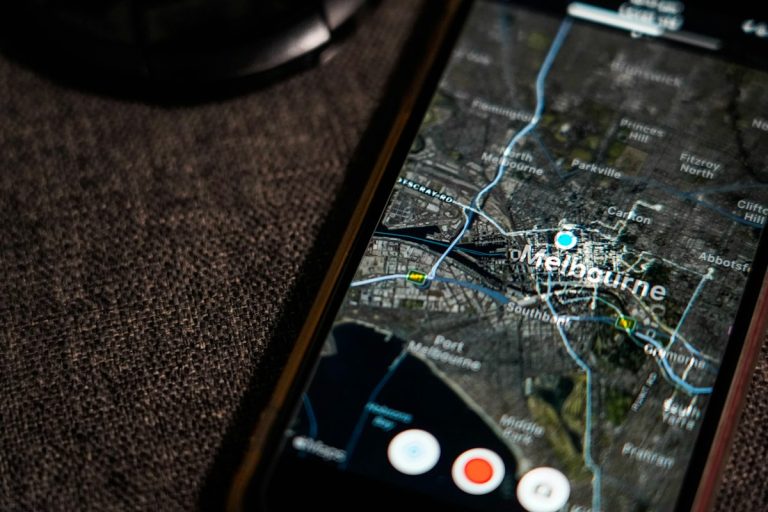
Get to Grips with Geo-Targeting Fundamentals
Geo-targeting fundamentals lie at the heart of any savvy marketer’s toolkit. In essence, they cover the foundations of delivering the right content, in the right place, at the right time. Whether you’re running a local café or a global e-commerce site, understanding these basics helps you reach customers based on their real-world location. Throughout this guide, we’ll unravel key concepts, techniques and terminology, and show how artificial intelligence can elevate your local campaigns from guesswork to precision.
Ready to master geo-targeting fundamentals? Discover how AI CMO supercharges your location-based efforts, boosting relevance and conversions with minimal effort. Explore geo-targeting fundamentals with AI CMO: Revolutionizing Digital Marketing Automation and see your local reach soar.
What Is Geo-Targeting?
Geo-targeting is the practice of delivering different website content, ads or offers depending on a visitor’s geographical location. It goes beyond one-size-fits-all messaging and tailors communication to:
- Country or region
- City or postal code
- IP address or ISP data
- Time zone or local weather
In digital advertising, geo-targeting fundamentals often begin with identifying a user’s IP address, then matching it to a geographical database. But it doesn’t stop there. You can also let visitors choose their location manually, as brands like FedEx and UPS do, or rely on GPS data in mobile apps for pinpoint accuracy.
Key Geo-Targeting Fundamentals
Here are the cornerstones every marketer should know:
- Automated Content Delivery
- Geofencing and Radius Targeting
- IP Spidering and Location Databases
- Time-Based and Event-Based Messaging
- Privacy and Compliance Considerations
Understanding these geo-targeting fundamentals sets the stage for more advanced tactics, like AI-driven segmentation and real-time optimisation.
Core Techniques and Terminology
Digging deeper, let’s unpack some industry jargon and techniques related to geo-targeting fundamentals:
-
Geofencing: Create virtual boundaries around a specific area (e.g. a 5 km radius around your store). When someone enters or exits that zone, you trigger personalised content or ads.
-
IP Targeting: Use IP address analysis to infer location. Advanced tools employ traceroute, pings and large-scale mapping to keep geo-data fresh.
-
Time-Based Delivery: Serve content based on local time (morning versus evening offers) or real-world events, like a rainy-day discount on umbrellas.
-
Cloaking (IP Delivery): Present different content to search engine crawlers versus human visitors. Note: cloaking breaches most search engine guidelines, so proceed with caution.
-
Content Localisation: Adapt language, currency and imagery to local tastes. This overlaps with geo-targeting fundamentals but focuses on cultural fit.
Each of these elements contributes to a robust geo-targeting strategy. Master them, and you’ll boost engagement, cut ad waste and improve conversion rates.
Why Geo-Targeting Matters for Your Business
You might wonder, “Is all this effort worth it?” The short answer: absolutely. Here’s why geo-targeting fundamentals should be on every marketing plan:
- Enhanced Relevance: Show offers that resonate with local trends, weather or events.
- Better ROI: Spend your ad budget on audiences most likely to convert.
- Improved User Experience: Visitors appreciate personalised, location-aware messaging.
- Competitive Edge: Stand out in crowded markets by speaking directly to local needs.
Whether you run a boutique shop or a multinational e-tailer, nailing geo-targeting fundamentals pays dividends. It’s not just about knowing where your audience is—it’s about making them feel understood.
Harnessing AI for Geo-Targeting Fundamentals
Implementing geo-targeting fundamentals manually can be time-consuming and error-prone. That’s where AI-driven automation comes into play. Platforms like AI CMO streamline every step:
- Automated audience segmentation by location
- Real-time performance tracking and alerts
- Dynamic content personalisation at scale
- 24/7 operations with minimal manual oversight
Imagine launching a campaign in multiple cities, each with unique offers and creatives. AI CMO manages the heavy lifting—deploying the right message in Milan, Manchester or Madrid—so you can focus on strategy, not spreadsheets.
Midway through your optimisation journey? Discover how geo-targeting fundamentals boost your local campaigns with AI CMO and see instant improvements in click-throughs and conversions.
Best Practices and Tips
Once you grasp the basics, follow these pointers to refine your geo-targeting fundamentals:
- Keep Location Data Updated: IP allocations shift. Use tools that refresh their databases frequently.
- A/B Test Local Creatives: Even small changes (local lingo, landmarks) can sway your results.
- Respect Privacy: Comply with GDPR, CCPA and other regulations. Always include clear opt-out options.
- Layer Segmentation: Combine location with device type, browsing history or purchase intent.
- Monitor Local Trends: Weather, festivals and news events can create timely engagement opportunities.
Stick to these best practices and you’ll transform raw data into targeted, meaningful interactions.
Real-World Examples
Geotargeting is more than theory. Brands worldwide put geo-targeting fundamentals into practice:
- Ace Hardware’s “My Local Ace”: Visitors instantly see store counts and maps tailored to their city.
- Streaming Services (e.g. Hulu, iPlayer): Restrict or localise content based on country-level rights.
- Local Restaurants: Trigger special lunch offers for mobile users within a 2-km radius at midday.
- City Advertising Platforms: Display banners on high-traffic urban websites, matching city-specific searches.
These examples highlight how basic geo-targeting fundamentals—when combined with smart AI tools—drive measurable uplift in engagement and sales.
Overcoming Common Challenges
No strategy is without hurdles. When building your geo-targeting fundamentals, watch out for:
- IP Spoofing and VPNs: Some users mask their true location. Mitigate with multi-signal verification.
- Database Drift: Outdated IP mappings lead to misdirected content. Choose providers that refresh constantly.
- Guideline Breaches: Avoid cloaking tactics that violate search engine rules—focus instead on transparent personalisation.
- Scale Complexity: Larger campaigns mean more moving parts. Rely on automation to maintain accuracy.
Understanding these pitfalls early means you can architect a resilient, compliant geo-targeting framework.
Testimonials
“Working with AI CMO transformed our local outreach. We expected a modest lift, but our foot-traffic increased by 40 per cent in just one month. Their geo-targeting fundamentals module is spot-on.”
— Sarah Middleton, Café Owner, London
“AI CMO’s automation took the headache out of city-level campaigns. We launched promos across five regions simultaneously and saw conversion rates jump by 25 per cent. Can’t imagine going back to manual setups.”
— James O’Connor, E-Commerce Director, Dublin
Conclusion: Embracing Geo-Targeting Fundamentals
Geo-targeting fundamentals are no longer optional—they’re essential for any marketer aiming to connect with local audiences effectively. By mastering these foundations and harnessing AI-driven tools like AI CMO, you’ll save time, cut costs and see better results fast. Ready to put these insights into action? Master geo-targeting fundamentals – start your free trial of AI CMO today