Unlock the Future of Content with an AI Content Strategy Guide
Imagine having a content playbook that writes itself. A system that never sleeps, optimising your SEO and GEO presence around the clock. That’s exactly what an AI content strategy guide can do for you. No more juggling half a dozen tools. No more waiting weeks for an agency to deliver. Instead, you have an intelligent engine powering growth every second of every day.
In this AI content strategy guide, we’ll walk you through a simple, six-step process. You’ll learn to define goals, research keywords, craft AI-driven copy, automate optimisation and track results in real time. By the end, you’ll see how our platform transforms marketing from a chore into a clear path to growth. Ready to start? Explore this AI content strategy guide with AI CMO: Revolutionizing Digital Marketing Automation
Why You Need an AI Content Strategy Right Now
If you’re still relying on manual content calendars and monthly SEO audits, you’re leaving opportunity on the table. Here’s what modern marketers face:
- Resource limits: Small teams can’t cover every angle.
- Agency costs: Outsourcing drains budgets and slows feedback loops.
- Fragmented tools: Switching platforms kills productivity.
- Inconsistent results: Manual tweaks aren’t enough in a competitive market.
An AI content strategy guide addresses these pain points. It offers:
- 24/7 SEO and GEO automation
- Real-time performance tracking
- Data-driven content suggestions
- A single dashboard for every channel
You’ll shift from reactive to proactive. Instead of patch-up campaigns, you’ll have a continuous growth engine. That’s the power of an AI-powered platform that automatically generates SEO and GEO-targeted content based on your website’s offerings. It frees you to focus on strategy, not spreadsheets.
Step 1: Define Your Goals and Audience
Before you fire up any AI tool, get clear on what success looks like. Ask yourself:
- What traffic targets do we aim for?
- Which regions or cities matter most?
- Who are we speaking to?
Create SMART goals (Specific, Measurable, Achievable, Relevant, Time-bound). For instance: “Increase organic visits from London by 20% in three months.”
Next, build a simple buyer persona. Give it a name, job title, and top challenges. This ensures every AI-generated headline and paragraph resonates with real people. When you’re clear on goals and audience, the rest of this AI content strategy guide falls into place.
Step 2: Conduct Keyword Research and GEO Targeting
Keywords remain the backbone of SEO. But now you can supercharge research with AI. Here’s how:
- Seed your main topics (product features, services, pain points).
- Let the AI surface long-tail variations and location-specific queries.
- Prioritise by search volume, difficulty and geographic relevance.
For example, if you run an e-commerce store in Manchester, your AI tool might suggest “best winter coats Manchester 2024” or “affordable boots near me”. That’s GEO targeting in action. You’re not just chasing generic traffic; you’re capturing local intent.
Tip: Group keywords into clusters. One cluster per blog post. Feed these into your AI engine to produce optimised outlines in seconds. No more manual spreadsheets.
Step 3: Plan and Create Content with AI
Now for the fun bit: content creation. Your AI-powered platform can draft:
- Blog posts
- Landing pages
- FAQs tailored to local queries
- Social media captions
Start by uploading your keyword clusters. Then choose a tone (professional, friendly, technical). Hit “Generate” and watch outlines appear. You’ll get headings, subheadings and even suggested stats. From there, it’s a quick edit to make it sound human.
Why this matters: You maintain brand voice at scale. Write more high-quality pieces in less time. And every page is automatically structured for on-page SEO.
Step 4: Automate SEO Optimisation
Writing content is only half the battle. Next, you want on-page SEO tuned and link-building underway—all on autopilot. Here’s what your AI content strategy guide recommends:
- Meta titles and descriptions written on demand
- Internal link suggestions based on content clusters
- Automatic image alt text optimised for keywords
- Ongoing backlink outreach triggers
Behind the scenes, the system monitors performance. If a page dips, it suggests tweaks: add a related keyword, update a statistic or adjust the internal link structure. This keeps your SEO fresh 24/7 without manual checks.
Need a hands-on AI content strategy guide? Get started with AI CMO: Revolutionizing Digital Marketing Automation Need a hands-on AI content strategy guide? Get started with AI CMO: Revolutionizing Digital Marketing Automation
Step 5: Schedule, Publish and Monitor
All set? It’s time to launch. Your AI dashboard lets you:
- Schedule posts across your CMS
- Share updates on social channels
- Send email notifications to subscribers
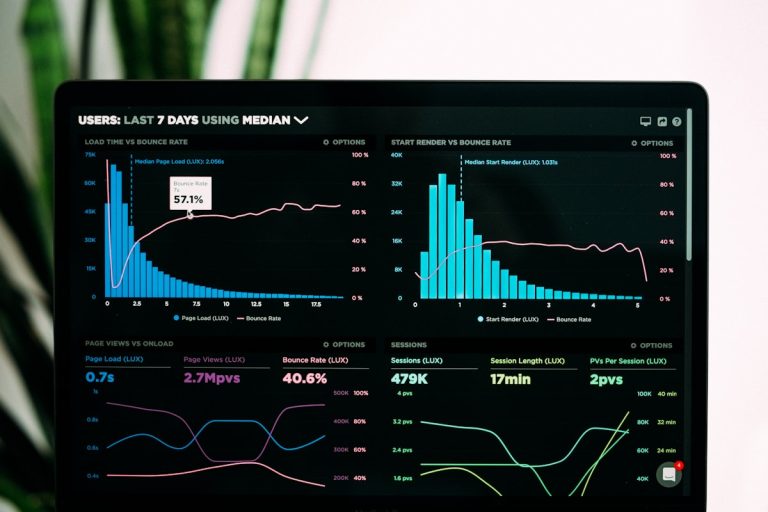
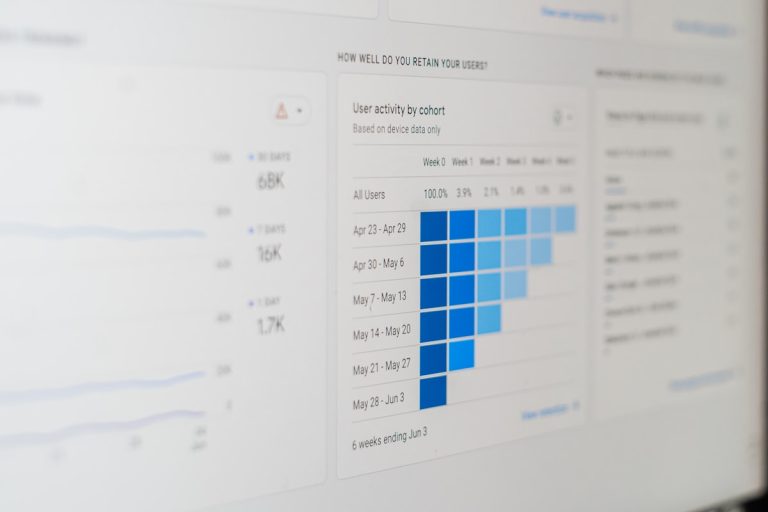
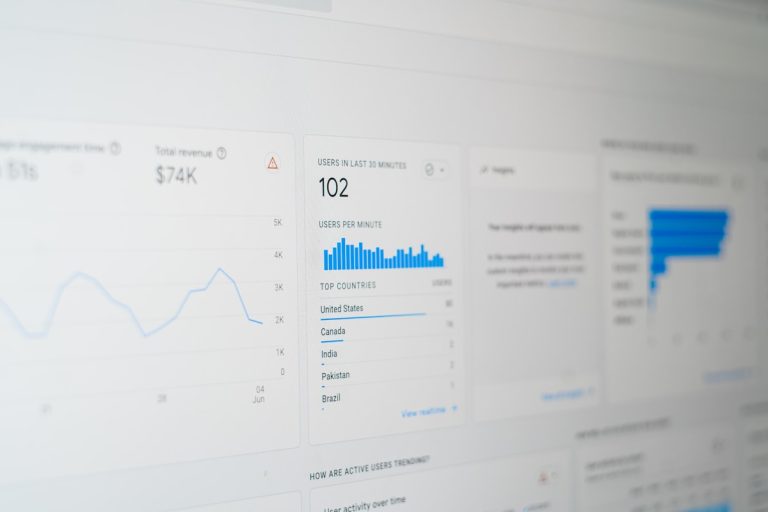
Once content goes live, real-time analytics kick in. You see visits, bounce rates and conversions. The moment a post gains traction, the platform recommends boosting it in other channels. No more guesswork on what to promote or when.
Step 6: Analyse, Iterate and Scale
A smart strategy never stands still. Use your AI content strategy guide’s analytics to:
- Compare performance across topics and regions
- Identify high-impact keywords for future content
- Pinpoint underperforming pages for a refresh
Then repeat the process: research, create, optimise. As you refine, the AI engine learns your preferences and gets even better at suggesting topics, headlines and localisation tweaks. Soon you’ll scale from a dozen posts a month to dozens each week—effortlessly.
Conclusion
Crafting an AI-driven approach to content transforms your marketing from ad hoc to always on. You’ll save time, cut costs, and maintain top-rank positions with minimal hands-on work. If you’re ready to leave behind agency delays and tool chaos, this AI content strategy guide is your blueprint to growth.
Take the next step and see it in action: Explore this AI content strategy guide with AI CMO: Revolutionizing Digital Marketing Automation