Turbocharge Your AI Visibility with a Citation-Ready Approach
In the era of generative search, your content needs more than SEO basics. Bing AI now highlights answers before readers even click. That means you must build a content citation strategy that makes your insights easy to extract, verify and cite. The goal is simple: become the trusted source Bing turns to when crafting AI-driven replies.
This guide walks you through every step. You’ll learn what content types get cited, the four key qualities of citation-friendly pages and how to refresh older posts. Plus, we’ll show you how AI CMO’s tools—like the real-time AI visibility tracker—make execution a breeze. Implement AI CMO: Revolutionizing Digital Marketing Automation content citation strategy
What Changed in the Age of AI Search
Search is no longer a one-way trip to your webpage. Microsoft’s data shows AI-assisted journeys are about a third shorter and drive 76% higher conversion rates. When readers refine questions inside Bing’s Copilot, they rely on snappy excerpts and verifiable facts. If your content isn’t extractable, it may still rank—just not get quoted.
A modern content citation strategy shifts focus. Instead of chasing clicks, you optimise for visibility before the click. That means lead with answers, layout your page for quick lifts and back every claim with evidence. Before you know it, you’re not just a destination; you’re a trusted source for Bing AI.
Content Types That Bing Is Likely To Cite
If you want to earn citations, pick formats that AI can lift cleanly. Here are the citation-friendly winners:
- Step-by-step guides: Short steps, clear prerequisites, expected outcomes.
- Definitions and explainers: Start with a crisp definition, then add context and examples.
- Comparison guides: “A vs B” tables, feature breakdowns, best-for summaries.
- FAQs: Direct question-and-answer pairs that mirror how users prompt AI.
- Checklists and listicles: Specific, non-repetitive and backed by rationale.
- Examples and templates: Concrete, unambiguous snippets ready to drop into AI replies.
These formats feed Bing AI clear, quotable chunks. Align your content citation strategy around them and you’ll see more AI-sourced mentions.
4 Main Qualities Your Content Needs To Get Cited
Citation isn’t random. Bing asks: “Can I grab an answer? Do I trust it?” Aim for these four:
-
Direct Answers That Appear Early
Lead with the primary insight—be it a definition, recommendation or top-level steps—in the first 80–120 words. AI systems and readers both love a quick hit. -
Clear Structure That Is Easy to Parse
Use headers that match real queries. Swap vague H2s like “Overview” for question-style subheads. A well-marked outline makes it crystal clear what can be lifted. -
Evidence That Strengthens Credibility
Examples, stats, dates, constraints. Back claims with specifics. Bing has cited research showing AI referrals convert faster. Sprinkle in a study title or a figure to boost trust. -
Accuracy and Freshness, Not Just Volume
Stale numbers and old policies undermine your role as a source. Refresh stats, add review dates and ensure your tone meets Bing AI policy on clarity, factuality and transparency.
Pairing these qualities with a content cluster helps Bing interpret topical depth. More on clusters below.
Why Your Content Still Needs to Sound Human
AI extracts facts, but human nuance matters. The best Bing AI citations combine crisp definitions with real-world tips:
- What to watch for
- Common pitfalls
- Contextual caveats
Readers recognise an expert voice and so does Bing’s quality filter. A light editorial review—subject-matter checks, claim verification—keeps content grounded. If you need a hand scaling expertise across multiple pages, AI SEO services from AI CMO bridge strategy, execution and measurement.
Why Content Clusters Matter More in Bing’s AI Era
You might get lucky with a lone strong page, but clusters build dependable authority. A pillar page tackles the broad theme, subpages drill into specific questions. This lets Bing AI pick the perfect excerpt from the page that matches each prompt.
Clusters also stop you from jamming everything into one bulky post. Instead, you deliver tightly scoped, citation-ready answers on each topic. Over time, this structure lifts both rankings and AI mentions across your site.
How To Refresh Older Content So It Can Compete
Updating proven pages is often the fastest path to more citations. Here’s a simple refresh plan:
- Update statistics and dates: Swap out stale benchmarks and add a “Last reviewed” note.
- Strengthen the intro: Make the first 80–120 words answer-first.
- Rewrite headers to match questions: Mirror the phrasing users type into Bing AI.
- Add or expand FAQs: Insert new prompts with punchy, quotable answers.
- Add examples and constraints: Clarify “when this applies” and “when it doesn’t”.
- Improve internal linking: Point Bing to your freshest, most relevant pages.
- Review compliance: Ensure all claims align with Bing AI policy on accuracy and transparency.
This systematic approach revitalises your content citation strategy and positions your pages for repeat citations.
Leverage AI CMO: Revolutionizing Digital Marketing Automation for a robust content citation strategy
Integrating AI CMO’s Real-Time AI Visibility Tracker
AI CMO’s standout feature is the real-time AI visibility tracker. It surfaces:
- Impression data in Bing’s AI answer spots
- Citation counts across your cluster
- Keyword performance in AI prompts
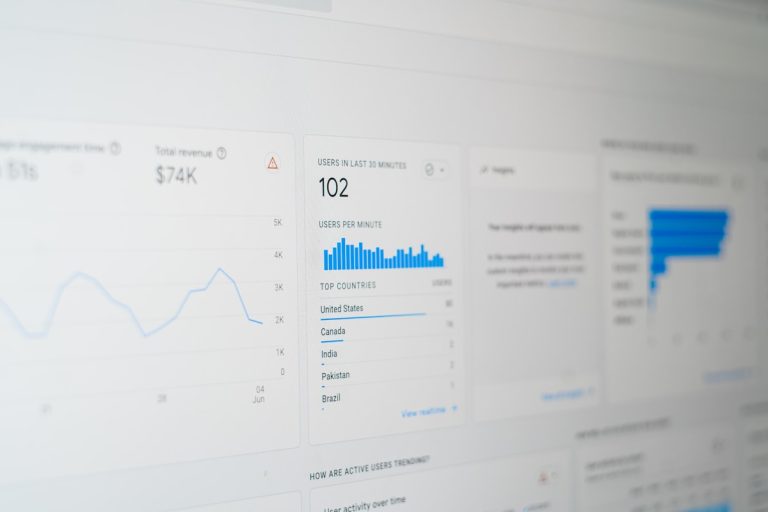
Instead of waiting weeks for SEO reports, you see citation trends as they happen. If one subpage gains traction in Copilot answers, you can optimise related articles instantly. This hands-on insight turns your content citation strategy from guesswork into a data-driven machine.
Putting It All Together: Your Citation-Ready Framework
Here’s a quick checklist for a winning citation-ready build:
- Choose a citation-friendly format.
- Lead with the answer, then expand.
- Structure for quick lifts: question-style headers.
- Sprinkle in stats, dates and concrete examples.
- Refresh old content with targeted updates.
- Link subtopics in a cluster.
- Monitor citations with AI CMO’s tracker.
- Iterate based on real-time feedback.
Repeat this cycle and watch your AI visibility climb. You’re not just chasing traffic—you’re becoming the go-to source for Bing AI answers.
Conclusion
Modern search demands a content citation strategy built for AI extraction, credibility and topical depth. By focusing on answer-first writing, clear structure, up-to-date evidence and strategic clusters, you’ll secure more placements in Bing’s generative answers. And with AI CMO’s real-time AI visibility tracker at your side, staying ahead is straightforward.
Harness AI CMO: Revolutionizing Digital Marketing Automation to nail your content citation strategy