Introduction: Mastering AI Search Visibility with AI CMO
Ever wondered how often ChatGPT or Google Gemini mentions your brand? In a world where AI assistants dish out answers instead of link lists, you need to track AI search visibility. It’s not about page rankings any more. It’s about being part of the conversation. That shift means new metrics, new methods, and a fresh approach to SEO.
In this guide, we break down the essential AI visibility metrics, from Brand Mention Rate to Volatility. You’ll learn why traditional tools don’t cut it, see how to set up a prompt library, and discover how real-time dashboards can turn data into action. We’ll also compare AI CMO with legacy solutions so you can see why a dedicated AI-first platform makes all the difference. Ready for a smarter way to track AI search visibility? Enhance your AI search visibility with AI CMO: Revolutionising Digital Marketing Automation
What Are AI Visibility Metrics?
AI visibility metrics measure how often your brand appears in AI-generated answers. Think of it as watching how often you get a shout-out when someone asks an AI assistant for advice. Unlike Google rankings, there’s no fixed position. Answers are synthesised, dynamic, and shaped by a probabilistic model.
Key differences from traditional SEO:
– AI assistants generate paragraphs, not lists
– Visibility means mention, context or recommendation
– No stable “#1 spot” to track over time
– Decisions often happen inside AI platforms without clicks
When you optimise for AI search visibility, you’re aiming to be mentioned, explained and recommended by tools like ChatGPT, Gemini and Perplexity. It’s a whole new ball game.
Core AI Visibility Metrics to Track
Before you dive in, you need to know which metrics really matter. Here’s your starter pack:
- Brand Mention Rate
- Recommendation Rate
- Prompt Coverage
- Share of Voice
- Model-Specific Visibility
- Visibility Volatility
Each of these tells a story about how your brand performs in AI answers.
Brand Mention Rate
Brand Mention Rate is simply the percentage of prompts where your brand name appears.
– Calculation: (Mentions ÷ Total Prompts) × 100
– Example: 35 mentions in 100 prompts = 35% rate
This gives you a baseline for your AI presence. Track it across topic clusters like “AI search visibility tools” or “brand monitoring” to see where you shine and where you need work.
Recommendation Rate
Recommendation Rate measures how often an AI assistant actively suggests your brand as a solution.
– Neutral list mention vs active “consider X” recommendation
– Calculation: (Recommendations ÷ Total Prompts) × 100
A high Recommendation Rate means AI systems treat you as a trusted provider. That’s gold for B2B SaaS and marketing teams.
Prompt Coverage
Prompt Coverage shows the breadth of your presence across a defined prompt library.
– Calculation: (Prompts with any mention ÷ Total Prompts) × 100
If you cover 60% of “AI search visibility” prompts, you know where gaps lie—maybe in pricing or troubleshooting questions.
Share of Voice
Share of Voice compares your total mentions to those of competitors.
– Calculation: (Your Mentions ÷ All Mentions) × 100
This tells you whether you’re leading the AI conversation or getting elbowed out by rivals like SEMrush, Moz or Ahrefs in AI responses.
Model-Specific Visibility
AI systems aren’t clones. ChatGPT, Gemini and Perplexity each use different data and synthesis approaches.
– Track metrics separately by model
– Use standardised prompts for apples-to-apples comparison
See where your brand performs best and where you need to double down.
Visibility Volatility
Volatility measures stability across repeated prompt runs.
– High volatility = big swings in mention rate
– Low volatility = consistent presence
LLMs change over time. Volatility flags unstable visibility that needs attention.
Implementing AI Visibility Tracking with AI CMO
Scanning dozens of prompts across multiple AI models manually? Nightmare. Enter AI CMO.
– Automate prompt runs on ChatGPT, Gemini, Perplexity
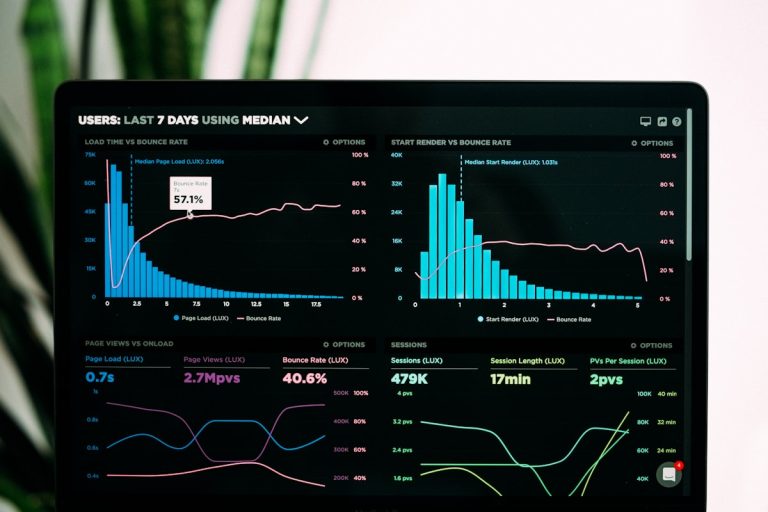
– Real-time dashboards showing Brand Mention Rate, Recommendation Rate and more
– Alerts for dips in high-value prompts
– Competitive Share of Voice reporting
You set up your prompt library once. AI CMO handles the rest, running tests daily or weekly and serving actionable insights. No more spreadsheets. No more guesswork.
With AI CMO you can:
- Schedule hundreds of prompts
- Visualise model-specific performance
- Monitor volatility automatically
- Tie metrics back to branded search and traffic
When you’re ready to scale your AI search visibility tracking, Explore AI search visibility tracking with AI CMO now
Comparing AI CMO with Traditional Tools
Your toolkit might include SEMrush, Moz or Ahrefs. They’re great for backlinks and keyword rankings but fall short on AI. Here’s how AI CMO stacks up:
- SEMrush, Moz, Ahrefs
- Strength: Established SEO data
- Limitation: No hands-on LLM prompt testing
- HubSpot, Marketo
- Strength: Marketing automation workflows
- Limitation: Lacks AI visibility metrics
- Mailchimp, Canva
- Strength: Email and design tools
- Limitation: No multi-model AI monitoring
AI CMO bridges the gap. It’s built for real-time AI search visibility, not just web rankings. You get a unified platform for SEO, GEO and AI outputs—no more juggling fragmented solutions.
Best Practices for AI Search Visibility
To succeed, follow these steps:
- Build a prompt library
– Cover buyer journey stages: awareness, evaluation, comparison - Group prompts by theme
– E.g. “AI visibility tools”, “implementation tips” - Run tests on multiple models
– Normalise language and location settings - Monitor metrics over time
– Look for trends, not single snapshots - Update content
– Address gaps in coverage and recommendations
Stick to a consistent cadence—monthly checks or weekly during product launches. Use the data to refine your messaging and content strategy.
What Our Users Say
“AI CMO gave us clarity on our AI presence. We went from guessing to seeing real Brand Mention Rates and Recommendation Rates. It’s a total game plan for our team.”
— Sarah Thompson, Marketing Lead at BrightComms“We set up 50 prompts and within days knew exactly where we were missing out. The dashboards are clear and the alerts keep us on our toes.”
— Daniel Rios, Head of Digital at GreenTech Solutions“Tracking AI search visibility used to be a spreadsheet nightmare. Now AI CMO handles everything. We spend time acting on insights, not collecting data.”
— Priya Patel, Growth Manager at eShopify
Conclusion: Take Control of Your AI Search Visibility
Traditional SEO metrics won’t cut it when answers come from AI assistants. You need dedicated AI visibility metrics—Brand Mention Rate, Recommendation Rate, Prompt Coverage, Share of Voice, Model-Specific Visibility and Volatility. These give you the full picture of how AI systems see your brand.
Manual testing can get you started. But to scale, you need a tool that runs hundreds of prompts, compares models, and alerts you to changes. That’s where AI CMO comes in.
Ready to see how AI CMO can transform your approach? Get a personalised demo of AI search visibility with AI CMO